
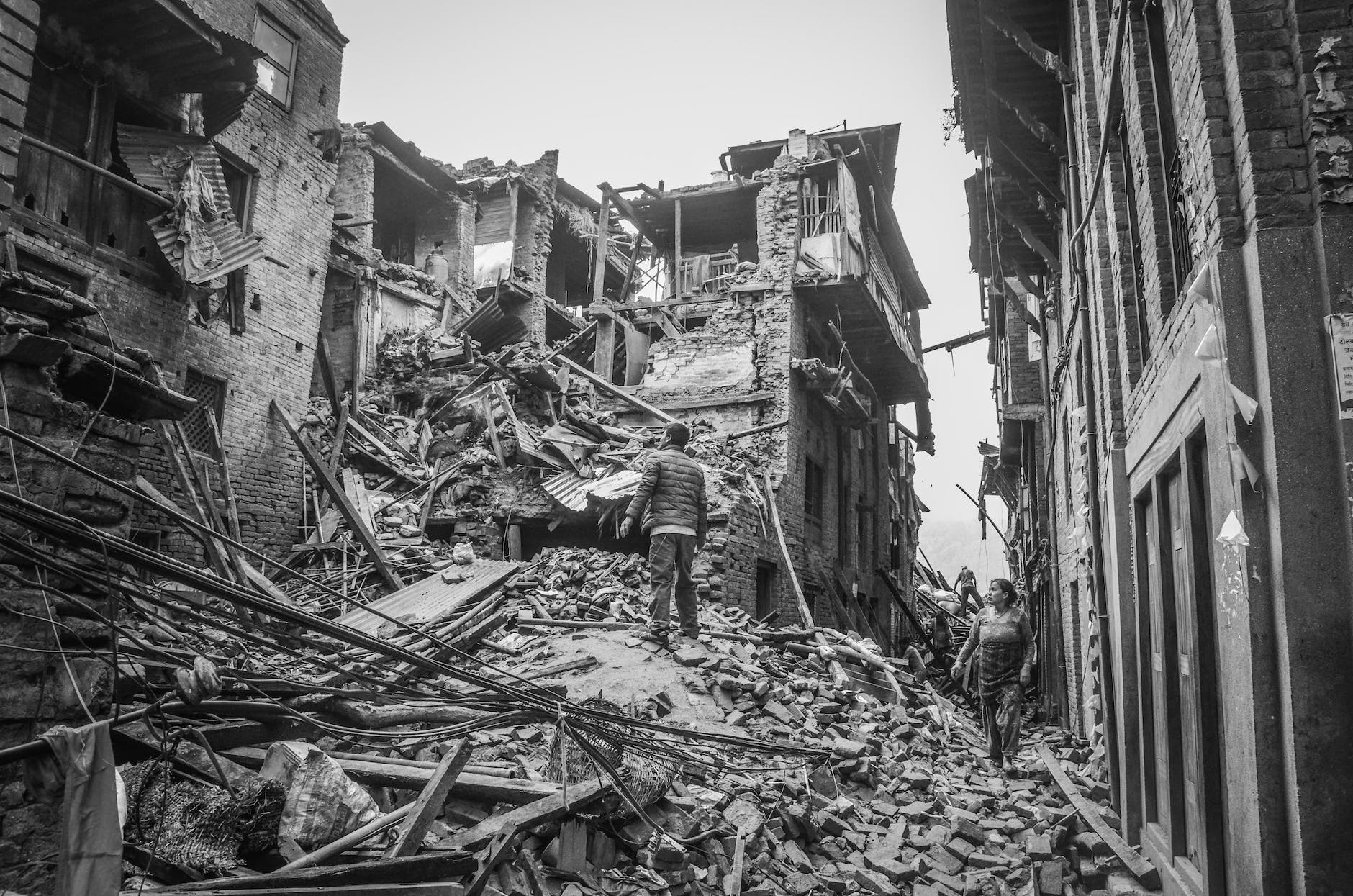
Artificial Intelligence (AI) is making its mark in virtually every industry, and the field of earthquake prediction is no exception. AI has the potential to revolutionize the way we detect, predict, and respond to earthquakes, one of the most destructive natural disasters. In this article, we will delve into the benefits, challenges, and future prospects of using AI in earthquake prediction.
First, let’s look at the benefits of using AI in earthquake prediction. AI algorithms have the ability to process large amounts of data in real-time, which is crucial in the case of earthquakes. AI can analyze seismic data, weather data, geological data, and other data sources to detect even small changes that could indicate an impending earthquake. This leads to more accurate and reliable predictions, providing critical information for early warning and evacuation.

Another significant benefit of AI in earthquake prediction is the speed of predictions. By automating the process of data analysis and prediction, AI can reduce the time it takes to make a prediction, providing quicker and more accurate early warning. This can help save lives and reduce property damage. In fact, early warning systems in Japan, where earthquakes are frequent, have already shown that they can reduce the number of casualties and damage caused by earthquakes.
Moreover, the use of AI in earthquake prediction can enhance our understanding of earthquakes and the factors that contribute to them. AI can generate predictive models that can better capture the complexities of earthquakes, providing a deeper understanding of these natural disasters. With this improved understanding, communities can be better prepared and respond more effectively to earthquakes, reducing their impact on human lives and property.
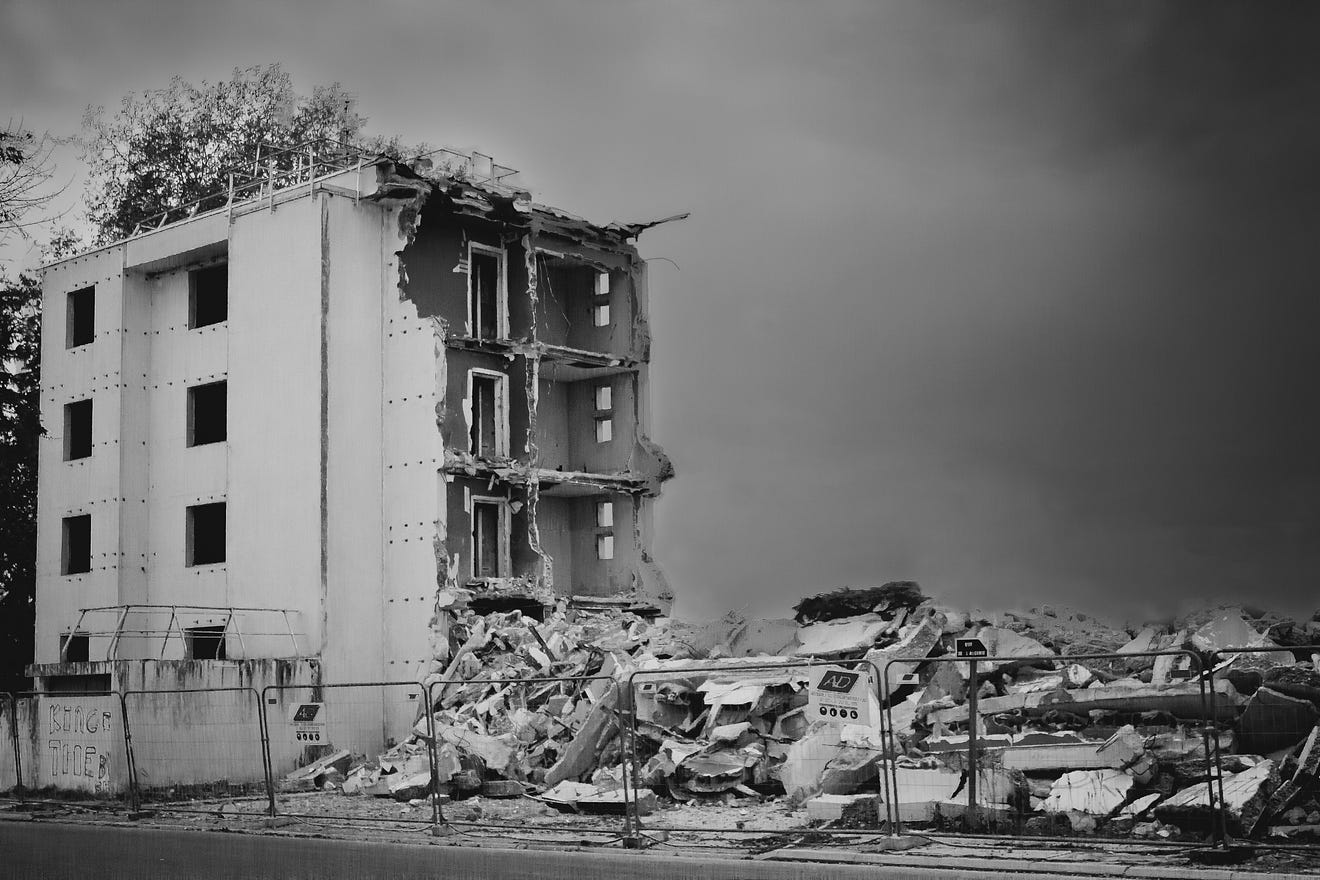
However, there are also several challenges that must be addressed in the use of AI in earthquake prediction. One of the biggest challenges is the lack of comprehensive data in many areas of the world, making it difficult to make accurate predictions in those regions. Additionally, earthquakes are complex natural phenomena, and the factors that contribute to their occurrence are not fully understood, making it difficult to build accurate predictive models using AI.
Another challenge is the limitations of current AI technology, which can still make mistakes and produce incorrect predictions. This highlights the need for continued research and development to improve the accuracy of AI in earthquake prediction. Finally, the use of AI in earthquake prediction requires interdisciplinary collaboration between computer science, geology, engineering, and other fields to ensure the development of accurate and effective predictive models.

Looking to the future, the use of AI in earthquake prediction is likely to continue to advance, providing even greater benefits to society. With advancements in AI technology, we can expect real-time monitoring and early warning systems that can save even more lives and reduce property damage. AI can also help us better understand earthquakes, allowing us to predict them more accurately and respond more effectively.
Thanks For Reading, Check out more at WhatWhyHow.net
Brandon Cobb, Aka. Darksun22


Leave a Reply