

Urban farming is a rapidly growing trend in cities around the world, offering a number of benefits to both individuals and communities. While it is still a relatively new concept, the benefits of urban farming cannot be ignored. In this article, we will explore the benefits and challenges of urban farming, as well as its potential for the future.
One of the main benefits of urban farming is access to fresh and nutritious food. In many cities, the availability of fresh and nutritious food can be limited, leading to a reliance on processed and unhealthy options. Urban farming provides the opportunity for individuals to grow their own food, or access fresh produce grown within their local community. Not only does this improve access to healthy food, but it also promotes sustainable living by reducing the need for transportation and packaging, thereby reducing carbon emissions.
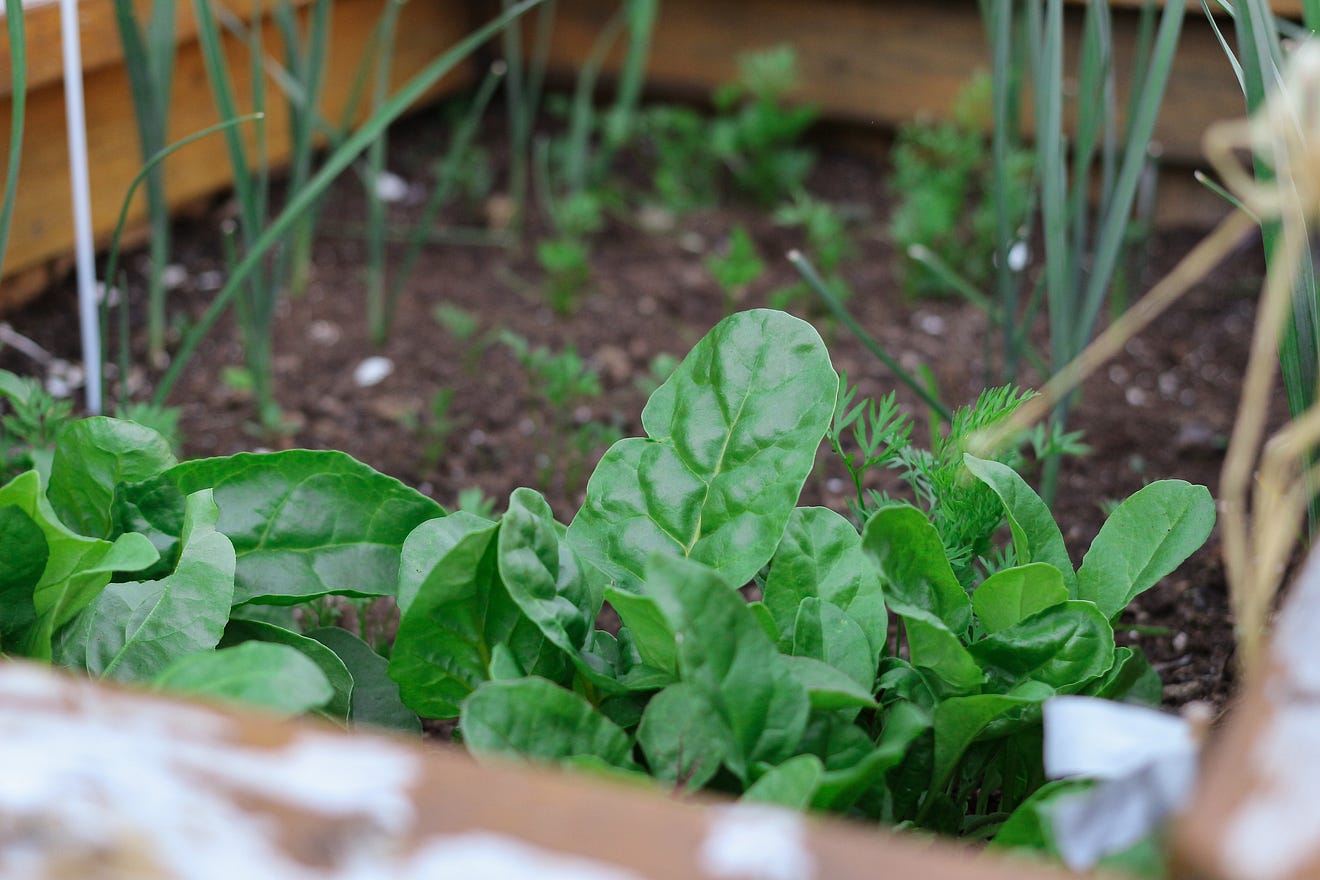
Another key benefit of urban farming is the promotion of employment opportunities. In many urban areas, unemployment can be high, particularly in low-income communities. Urban farming provides the opportunity for individuals to earn a living through the production and sale of fresh produce, or through the provision of services such as gardening and landscaping. This not only provides a source of income for individuals, but it also contributes to the development of local economies and can help to reduce poverty.
Urban farming also has the potential to improve community relations. In many urban areas, there can be a sense of disconnection between individuals and their local community. Urban farming provides an opportunity for individuals to come together and work towards a common goal, promoting a sense of community and belonging. Additionally, it can provide a space for individuals to connect with nature, reducing stress and promoting mental health.
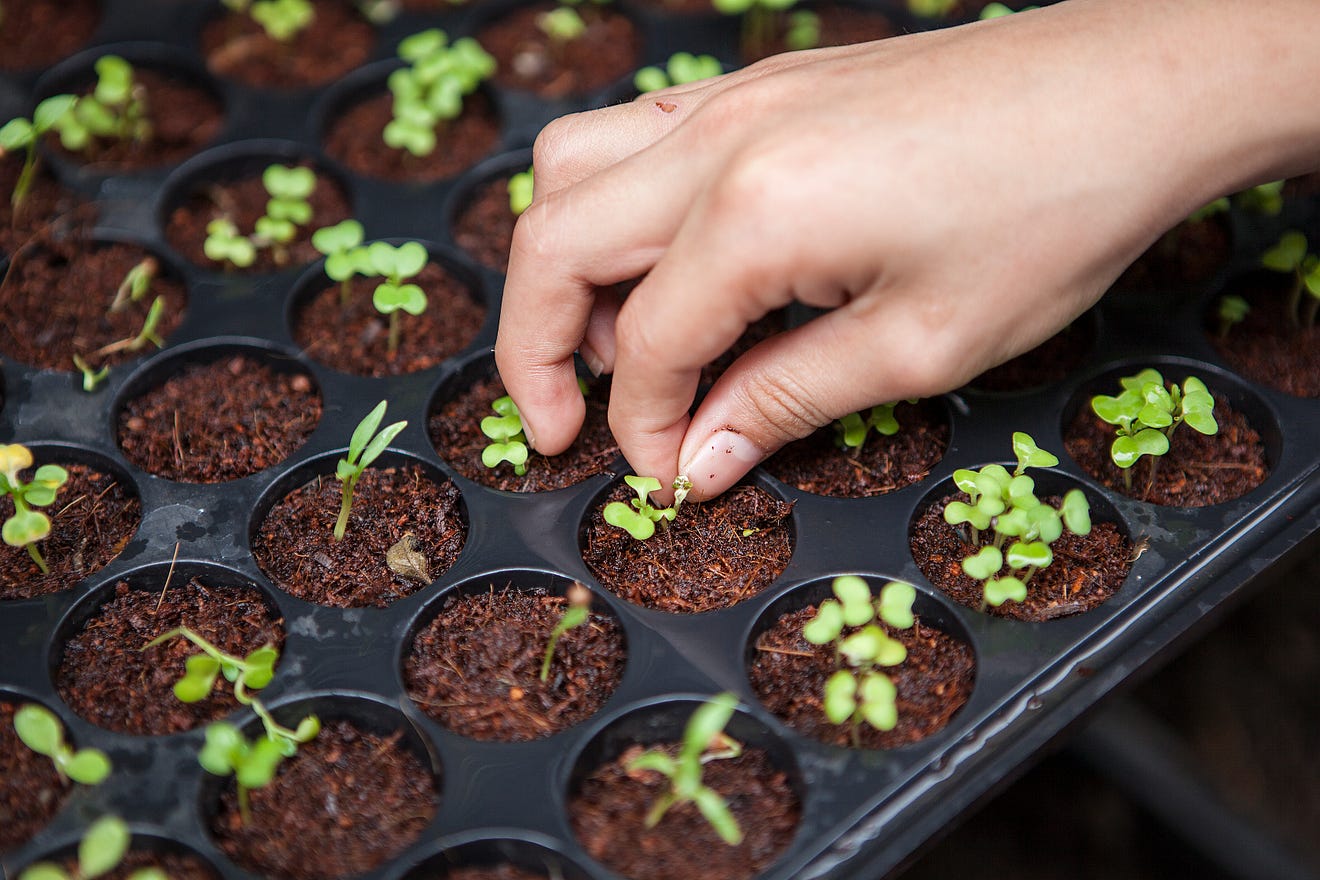
Despite these benefits, there are also a number of challenges associated with urban farming. One of the main challenges is limited space. In many urban areas, space is at a premium, and there may not be sufficient land available for urban farming initiatives. This can make it difficult for urban farmers to grow crops, particularly those that require a large amount of land, such as crops like corn or wheat.
The cost of inputs, such as seeds, soil, and equipment, can also be a challenge for urban farmers. These costs can be high, particularly in urban areas where land is in high demand and prices are high. This can make it difficult for urban farmers to establish and sustain their operations, particularly in low-income communities.
In addition to these challenges, urban farming is still a relatively new concept, and many local authorities may not fully understand its benefits or the potential it has to improve the local community. As a result, they may not provide the necessary support and resources needed to establish and sustain urban farming initiatives. This can include a lack of access to funding, land, and other resources, making it difficult for urban farmers to grow their operations and meet the demands of the local population.
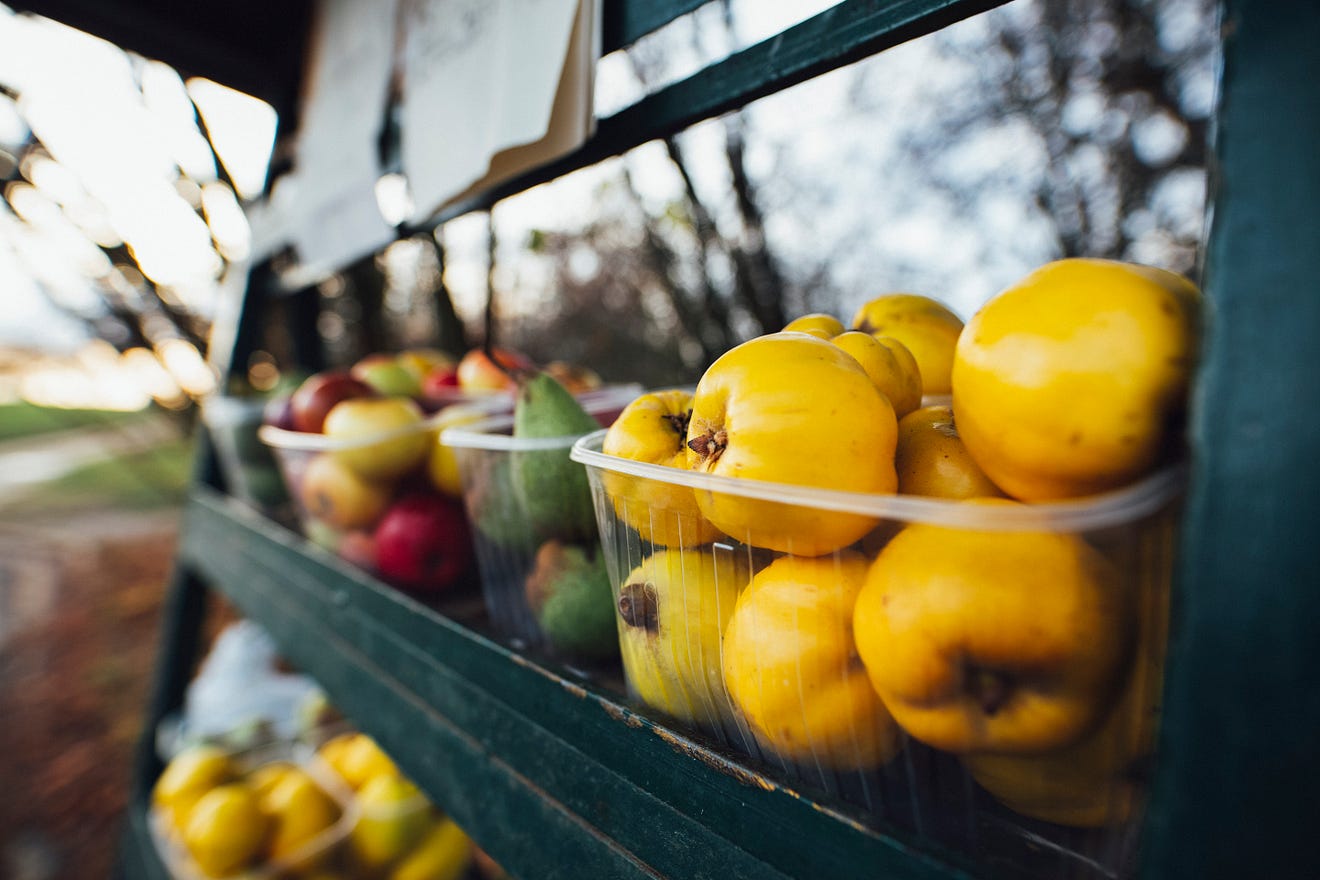
Pests and disease can also pose a challenge to urban farmers. Urban areas often have a high density of people and animals, which can increase the risk of pests and disease. Urban farming initiatives may not have access to the same tools and resources as traditional farmers to control these issues, leading to crop losses and decreased yields. This can make it difficult for urban farmers to maintain a steady supply of fresh food for the local community.
Finally, weather conditions can be a challenge for urban farmers. Urban areas are often subjected to extreme weather conditions, including high temperatures, strong winds, and heavy rain. This can make it difficult to grow crops and maintain soil quality, leading to decreased yields and reduced food production. Urban farmers may also face challenges related to water management, including droughts and floods, which can affect crop growth and productivity.
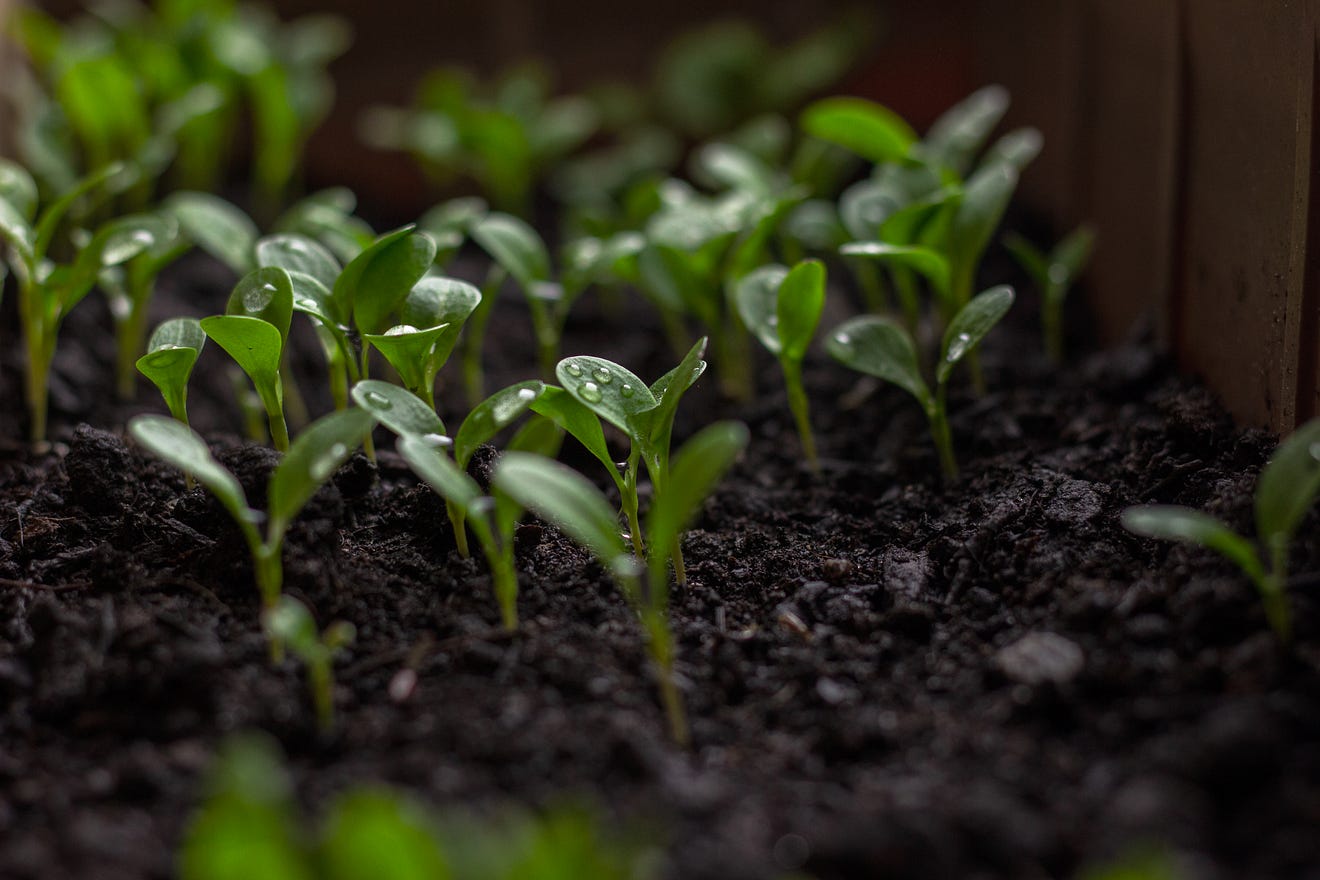
As technology continues to advance, it is likely that urban farmers will have access to a range of new tools and resources that will make it easier for them to grow crops and overcome the challenges they face. For example, advances in hydroponic and aeroponic systems may allow for more efficient and productive food production in urban areas, reducing the need for land and water.
In the coming years, it is also likely that urban farming will become more mainstream, with an increasing number of people recognizing its benefits and incorporating it into their daily lives. Whether through community gardens, rooftop gardens, or urban farms, urban farming will become an increasingly important part of our food system, providing a source of fresh, nutritious, and sustainable food for generations to come.
So, if you’re looking to get in on the urban farming revolution, now’s the time! Whether you’re a seasoned gardener or a complete novice, there’s never been a better time to start growing your own food. Who knows, you might even discover a hidden talent for farming, and become the next urban agriculture superstar! Just remember, with great power comes great responsibility, so be sure to water your plants regularly and keep the pests at bay.
Thanks For Reading, Check out more at WhatWhyHow.net
Brandon Cobb, Aka. Darksun22


Leave a Reply