
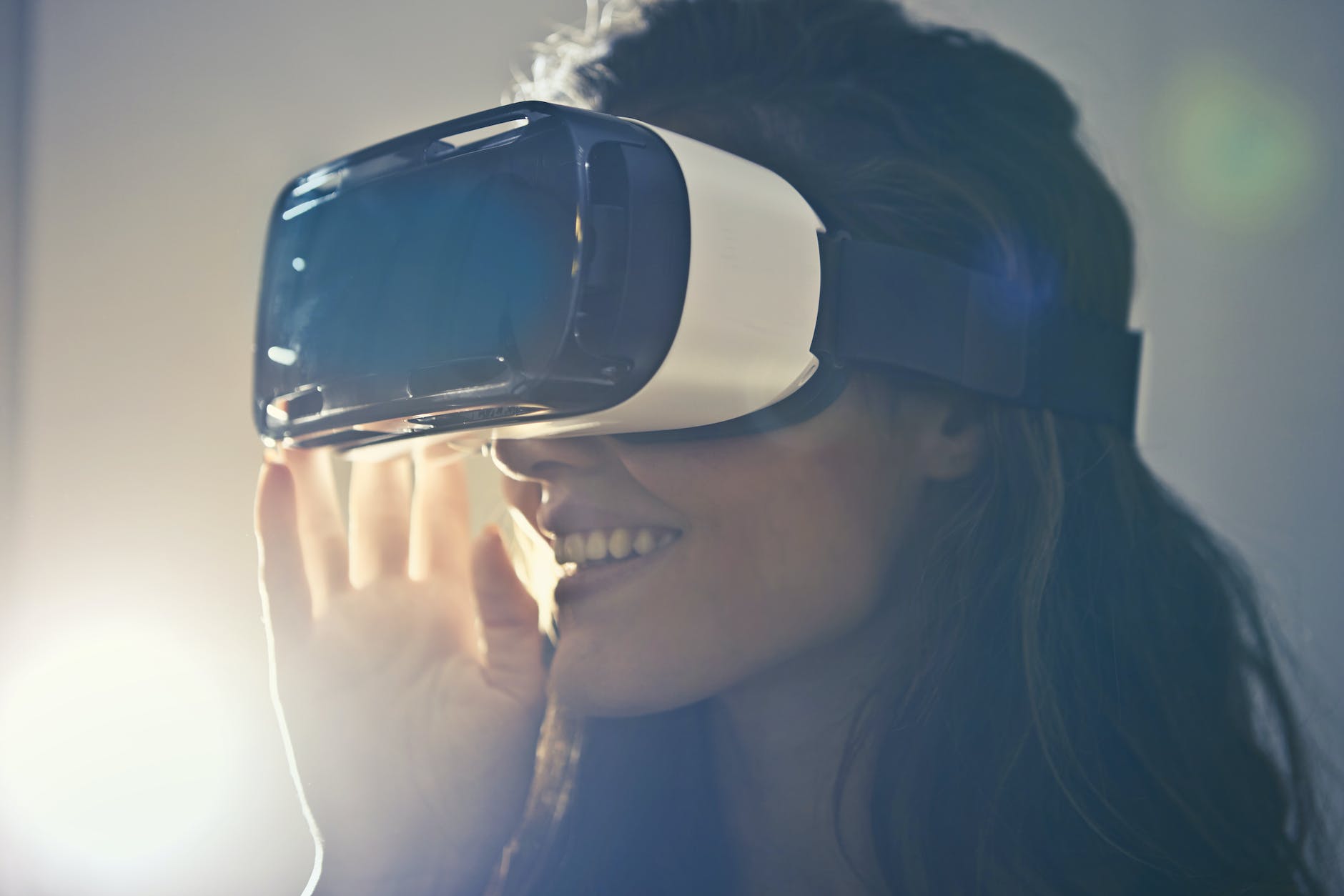
Virtual Reality (VR) has come a long way since its inception, and it continues to evolve at a rapid pace. Over the last decade, the technology has grown from a niche market to a mainstream phenomenon that is changing the way we interact with computers, media, and the world. In this article, we will explore the future of virtual reality and what it has in store for us.
Advancements in VR Hardware
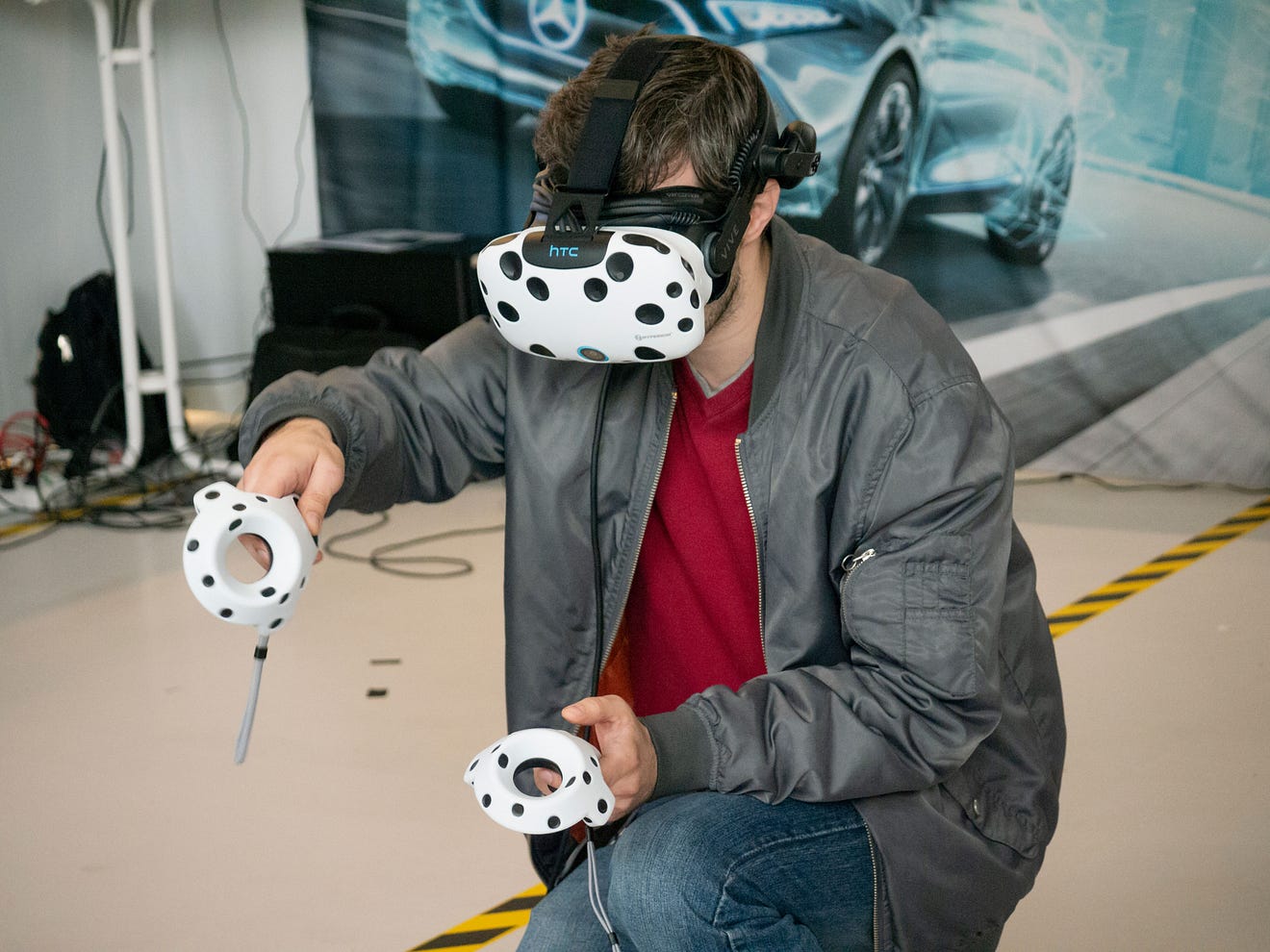
One of the biggest advancements in VR hardware is the development of standalone VR headsets. These headsets are designed to be independent of a computer or gaming console, making them more accessible and easier to use. Additionally, advances in screen technology and the miniaturization of components have made VR headsets smaller, lighter, and more comfortable to wear.
Another key trend in the development of VR hardware is the integration of artificial intelligence (AI). AI can be used to create more immersive experiences by allowing the VR environment to respond to the user’s actions in real-time. It can also be used to generate virtual characters and objects that are more lifelike and interactive.
Expanded Use Cases

Virtual Reality has already proven its worth in gaming, entertainment, and education, but it has much greater potential for use in other areas. For example, VR can be used in medicine to provide training simulations for medical procedures and surgeries. It can also be used in the military to provide realistic simulations for training soldiers. Additionally, VR has the potential to revolutionize the way we work, allowing remote teams to collaborate in a virtual environment and enabling employees to work from anywhere in the world.
Increased Interactivity

As VR technology continues to evolve, we can expect to see an increase in interactivity. This will involve not just hand controllers but also full-body tracking and the integration of haptic feedback technology, which will allow users to feel the sensations of touch and movement in the virtual world. This increased level of interactivity will take VR experiences to a whole new level, allowing users to fully immerse themselves in virtual environments and interact with virtual objects as if they were real.
Conclusion
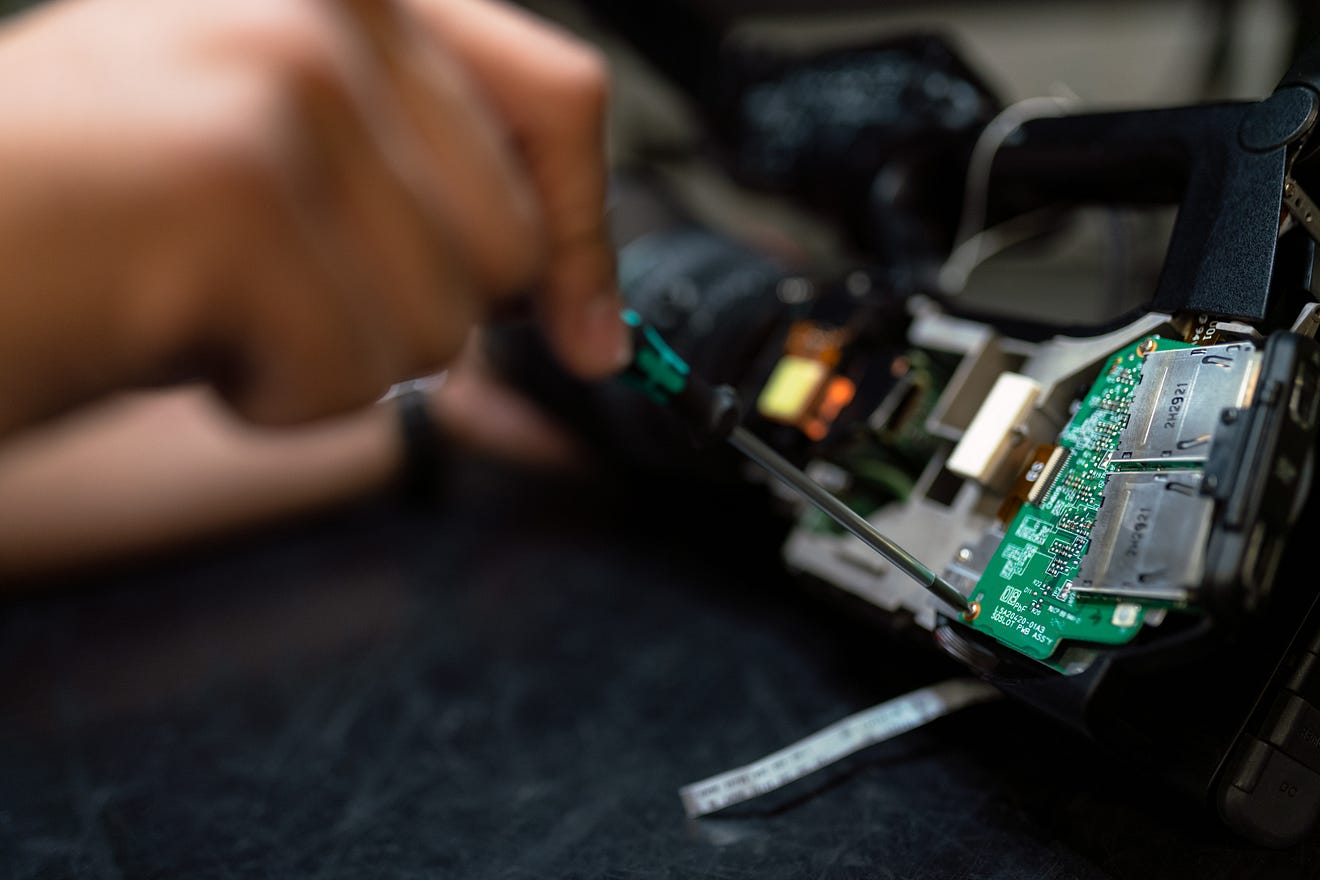
In conclusion, the future of virtual reality looks very promising, with advancements in hardware and software leading to more immersive and interactive experiences. With the growing adoption of VR in various industries and applications, it is clear that this technology is here to stay and will continue to play an increasingly important role in our lives. Whether it’s for entertainment, education, or work, VR has the potential to change the way we experience and interact with the world.
Thanks For Reading, Check out more at WhatWhyHow.net
Brandon Cobb, Aka. Darksun22


Leave a Reply