
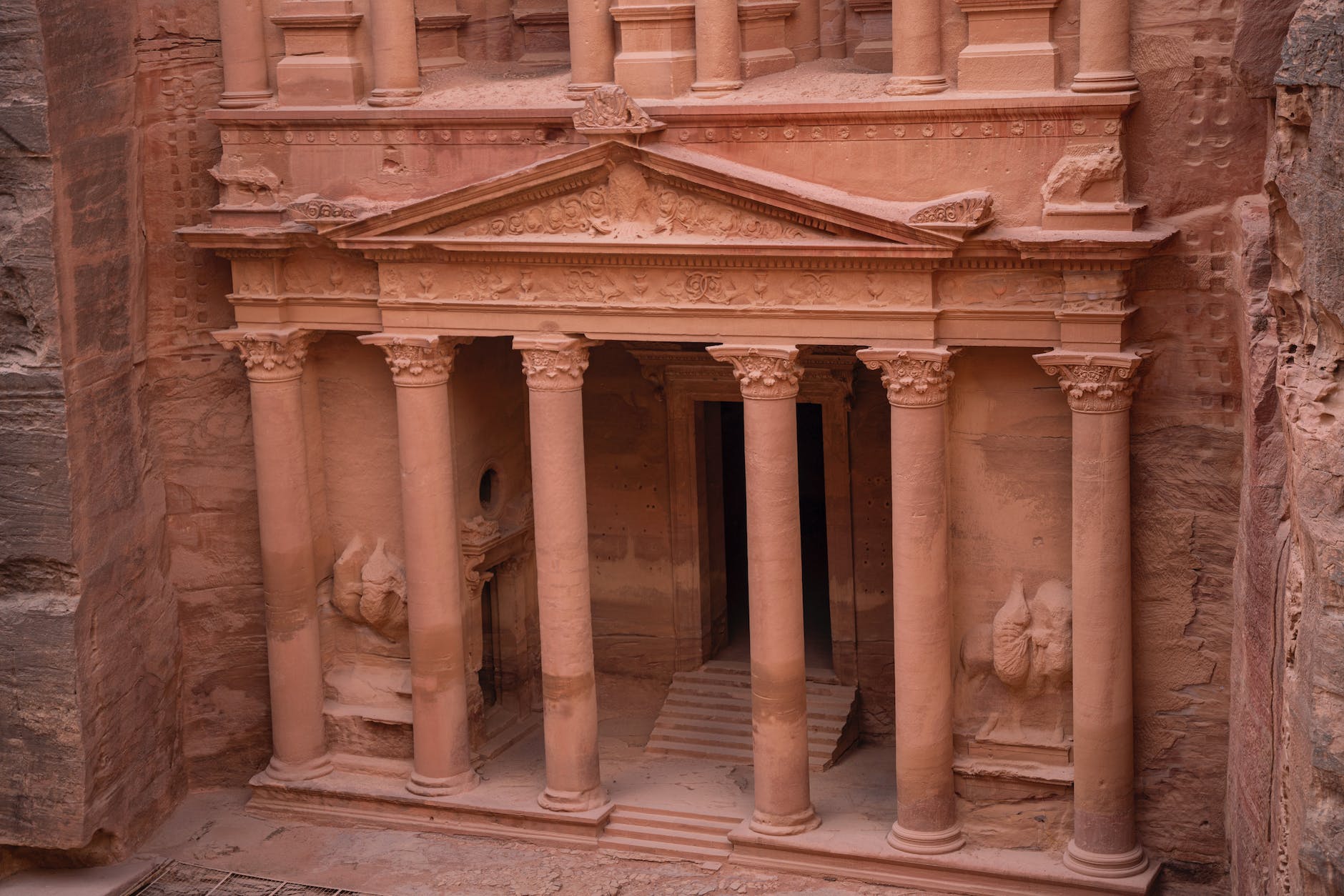
Petra is a historical and archaeological city located in the southern part of Jordan that has captured the imagination of people for centuries. With its unique rock-cut architecture and monumental structures carved into the cliffs, Petra has become a symbol of the cultural and architectural heritage of the ancient world.
Petra was the capital of the Nabataean Kingdom, an Arab tribe that ruled the area from around the 6th century BCE to 106 CE. The Nabataeans were a nomadic people who became wealthy through their control of the trade routes that passed through Petra, including the incense trade from southern Arabia to the Mediterranean. This prosperity allowed them to build elaborate water systems and to carve impressive structures into the cliffs, including temples, tombs, and amphitheaters. The Treasury (Al-Khazneh) is one of the most famous structures in Petra and is considered a masterpiece of Nabataean architecture.

Despite their prosperity, the Nabataeans remain somewhat of a mystery, as their history and culture have been poorly documented. The Nabataean language has not been fully deciphered, and there is limited information available about their beliefs and social structures. However, their architecture and monumental structures in Petra are a testament to their skill and creativity, and provide a glimpse into their rich cultural heritage.
Many theories have been proposed about the origins of the Nabataeans, and some suggest that they may have been connected to a lost ancient civilization. Some believe that they were descended from the Edomites, a group mentioned in the Bible, while others think they may have been part of the ancient Arab kingdom of Ma’in. Some even suggest a connection to the lost city of the biblical King Solomon. However, there is limited evidence to support these theories and further research is needed to fully understand the origins of the Nabataean Kingdom.

Dr. Susanne Bickel, a Professor of Semitic Philology at the University of Basel in Switzerland, has studied the Nabataean language and culture for many years. In an interview with National Geographic, she stated that the Nabataeans were a mix of different cultures and influences, and that they adopted elements of the cultures they encountered along their trade routes. This cultural exchange allowed them to develop their own unique style and language, which is reflected in their architecture and monumental structures in Petra.
Despite the lack of concrete evidence, the link between Petra and a lost ancient civilization continues to be a topic of interest and speculation among historians and archaeologists. The city remains an important site for research, and ongoing excavations and studies are helping to shed more light on the Nabataean Kingdom and its place in the ancient world. In a recent study published in the Journal of Archaeological Science, researchers used advanced techniques to analyze the water systems in Petra and found evidence of sophisticated engineering and planning, suggesting a high level of technical expertise and knowledge.
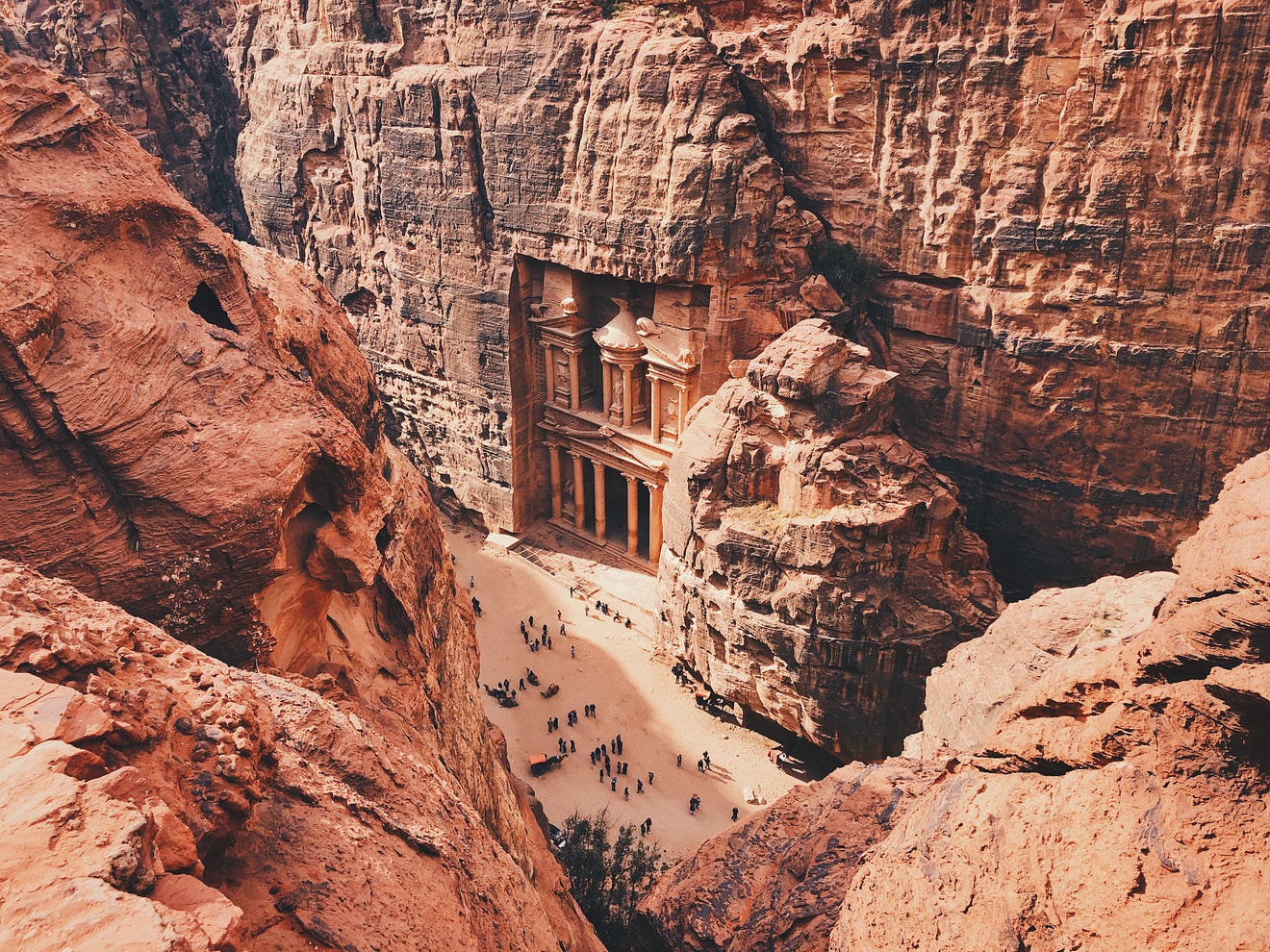
According to the Petra Development and Tourism Region Authority, Petra attracts approximately 1.5 million visitors each year and is a major contributor to the Jordanian economy, generating approximately $30 million in revenue in 2020. With such a large influx of tourists, one can only imagine what the Nabataeans would think of all these people flocking to their once-thriving city. “Can you believe it?” they might say. “All these people coming to gawk at our handiwork. If only they knew how much effort it took to carve all these structures into the cliffs!”
The popularity of Petra as a tourist destination has led to concerns about the impact of tourism on the site, and efforts are underway to balance preservation and development. The Petra National Trust is working to protect the site and its cultural heritage, and has implemented measures to reduce the impact of tourism, such as limiting the number of visitors and promoting sustainable tourism practices.

As technology continues to advance, new methods and techniques are being developed to study and preserve Petra and other ancient sites. In the future, it is likely that we will continue to learn more about the Nabataean Kingdom and the mysterious lost civilization that may have influenced it.
Despite the many unanswered questions and mysteries that still surround Petra, it remains a testament to the creativity and ingenuity of the ancient world. Its stunning architecture, monumental structures, and rich cultural heritage make it a must-see destination for anyone with an interest in history and archaeology. Whether you’re a historian, an archaeologist, or just a lover of all things ancient, Petra is a place that you won’t want to miss.
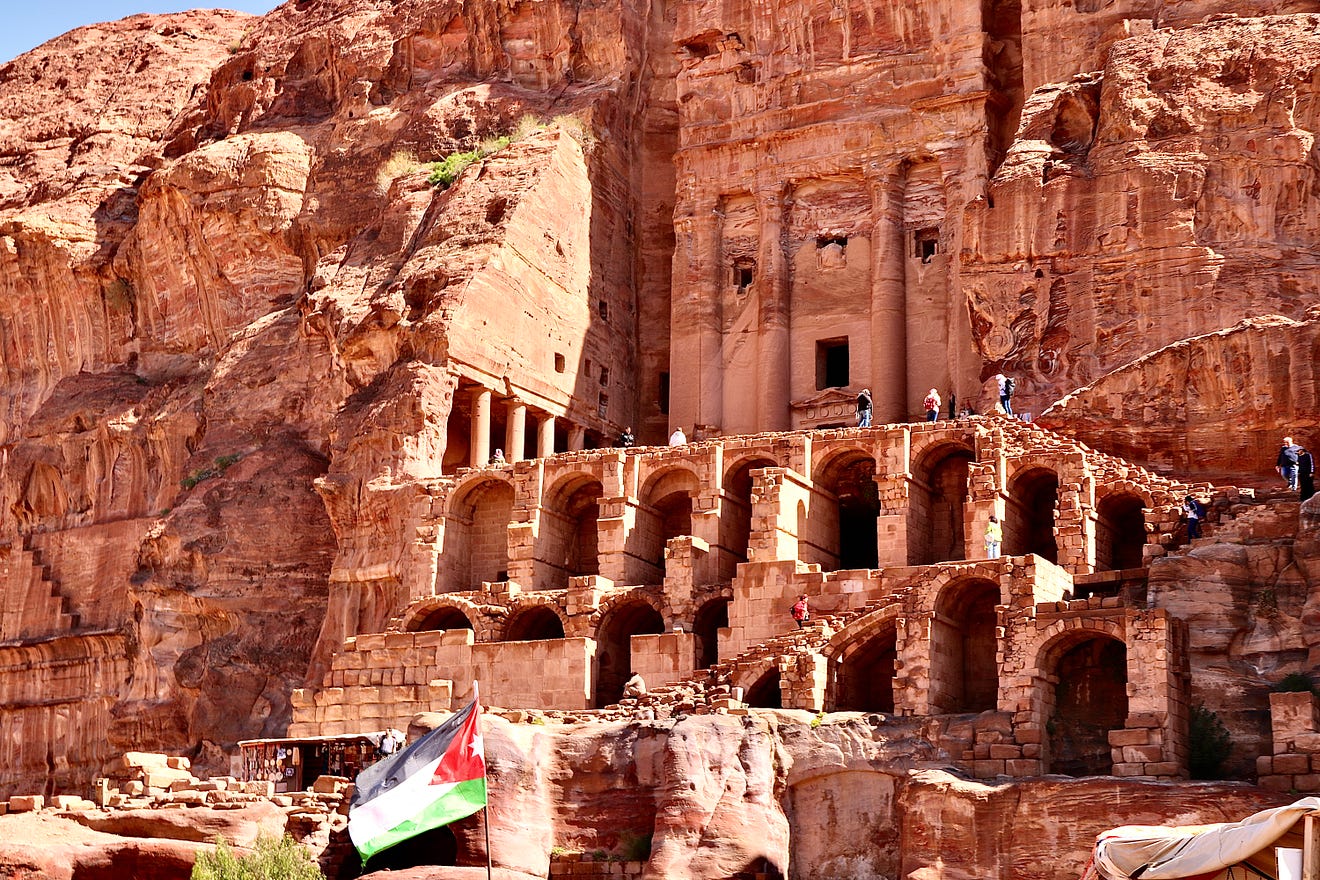
Petra is a true wonder of the ancient world, and its link to a lost civilization continues to captivate the imagination. With ongoing research and preservation efforts, there’s no telling what secrets and discoveries await us in the future. Until then, we can only marvel at the masterpieces of the Nabataeans and continue to be inspired by their creativity and ingenuity.
Thanks For Reading, Check out more at WhatWhyHow.net
Brandon Cobb, Aka. Darksun22


Leave a Reply