

Alcohol consumption is a popular pastime for many people, but excessive drinking can have negative impacts on the brain and cognitive abilities. In this article, we’ll take a closer look at the relationship between alcohol consumption and brain function, including a discussion of the latest research and insights from experts in the field.

The Negative Impacts of Heavy Drinking on the Brain
The link between heavy drinking and brain function has been the subject of numerous studies over the years, and the evidence is clear: excessive alcohol consumption can have a significant impact on cognitive abilities. Here are some of the key findings:
- Decreased gray matter volume: A study published in the Journal of Neuroscience in 2000 found that chronic heavy drinking was associated with a decrease in gray matter volume in the brain. This reduction was particularly pronounced in areas of the brain that are involved in executive functions, such as decision making, problem solving, and impulse control. The more alcohol a person consumed, the greater the reduction in gray matter volume, suggesting a dose-dependent relationship.
- Decline in cognitive function: A study published in the British Medical Journal in 2002 found that heavy drinking was associated with a decline in cognitive function, including attention, memory, and psychomotor speed. The study followed over 1,000 individuals over the course of 20 years and found that those who drank heavily had a greater decline in cognitive function compared to those who drank moderately or not at all.
- Reduced hippocampus size: Research has also shown that alcohol abuse can lead to a reduction in the size of the hippocampus, a critical region of the brain involved in memory formation. A study published in the journal Neuropsychology in 1997 found that chronic heavy drinkers had a significantly smaller hippocampus compared to those who did not drink heavily, and that this reduction in size was associated with memory impairment.
- Decreased IQ: A meta-analysis published in the journal Substance Use & Misuse in 2012 found that heavy drinking was associated with a decrease in overall IQ. The authors of the study analyzed data from over 15,000 individuals and found that those who drank heavily had lower IQ scores compared to those who drank moderately or not at all.
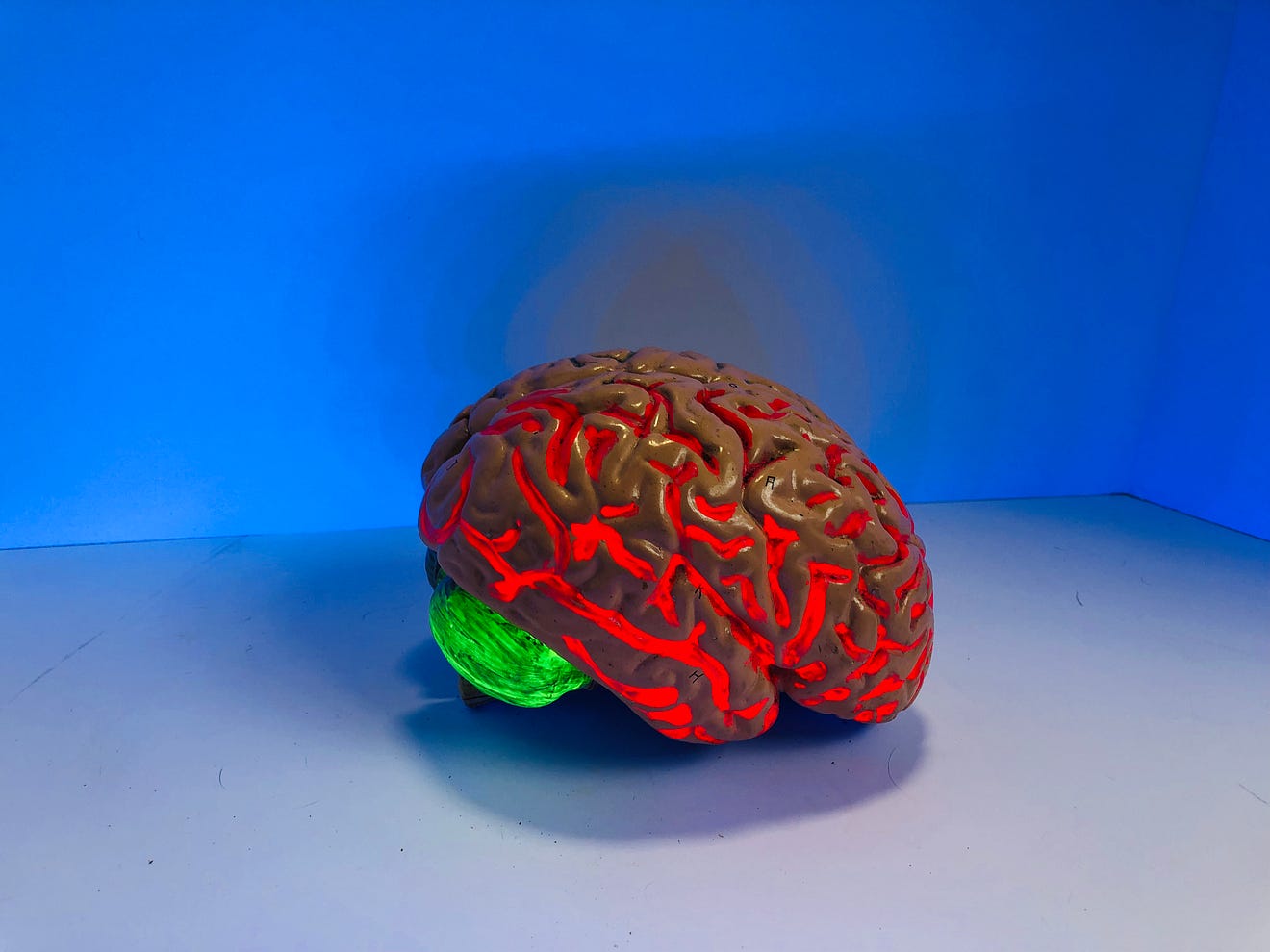
Prominent experts in the field, such as Dr. Aaron White, Senior Scientific Advisor to the National Institute on Alcohol Abuse and Alcoholism, have emphasized the negative impact of alcohol on brain function. In a statement to the New York Times, Dr. White noted that “alcohol is toxic to the brain and can cause a range of problems, including memory impairment and shrinkage of brain volume.”
It’s important to note that while heavy alcohol consumption is associated with negative impacts on brain function and IQ, the relationship is complex and influenced by a variety of factors, including genetics, environment, and other lifestyle habits. However, the evidence clearly suggests that excessive and chronic alcohol consumption can have a detrimental effect on cognitive abilities.

Speculation and Futurism: What Does the Future Hold for Brain Function and Alcohol Consumption?
While the evidence of the negative impact of heavy drinking on brain function is clear, it’s also worth considering what the future may hold in terms of alcohol consumption and cognitive abilities. Here are a few things to consider:
- Advances in brain imaging technology: With the rapid advances in brain imaging technology, it’s likely that we’ll continue to learn more about the relationship between alcohol consumption and brain function in the coming years. This could lead to new treatments and interventions to help mitigate the negative impacts of heavy drinking on cognitive abilities.
- Increased focus on the dangers of alcohol: As public awareness of the dangers of alcohol continues to grow, it’s possible that fewer people will engage in heavy drinking, which would have a positive impact on overall brain function and IQ. This shift could be driven by education and policy changes, as well as a growing understanding of the long-term health consequences of excessive alcohol consumption.
- More targeted interventions: As we learn more about the specific mechanisms by which alcohol affects brain function and IQ, it’s possible that we’ll see more targeted interventions to mitigate these impacts. For example, drugs that protect against brain damage or promote neuroplasticity could be developed to counteract the negative effects of heavy drinking.
- The role of genetics: Finally, it’s worth considering the role that genetics may play in the relationship between alcohol consumption and brain function. Research has shown that some individuals are more susceptible to the negative impacts of alcohol than others, and that this susceptibility may be influenced by genetic factors. As we continue to learn more about the genetic basis of alcohol-related brain damage, it’s possible that we’ll see new treatments and interventions that are more tailored to individual needs.
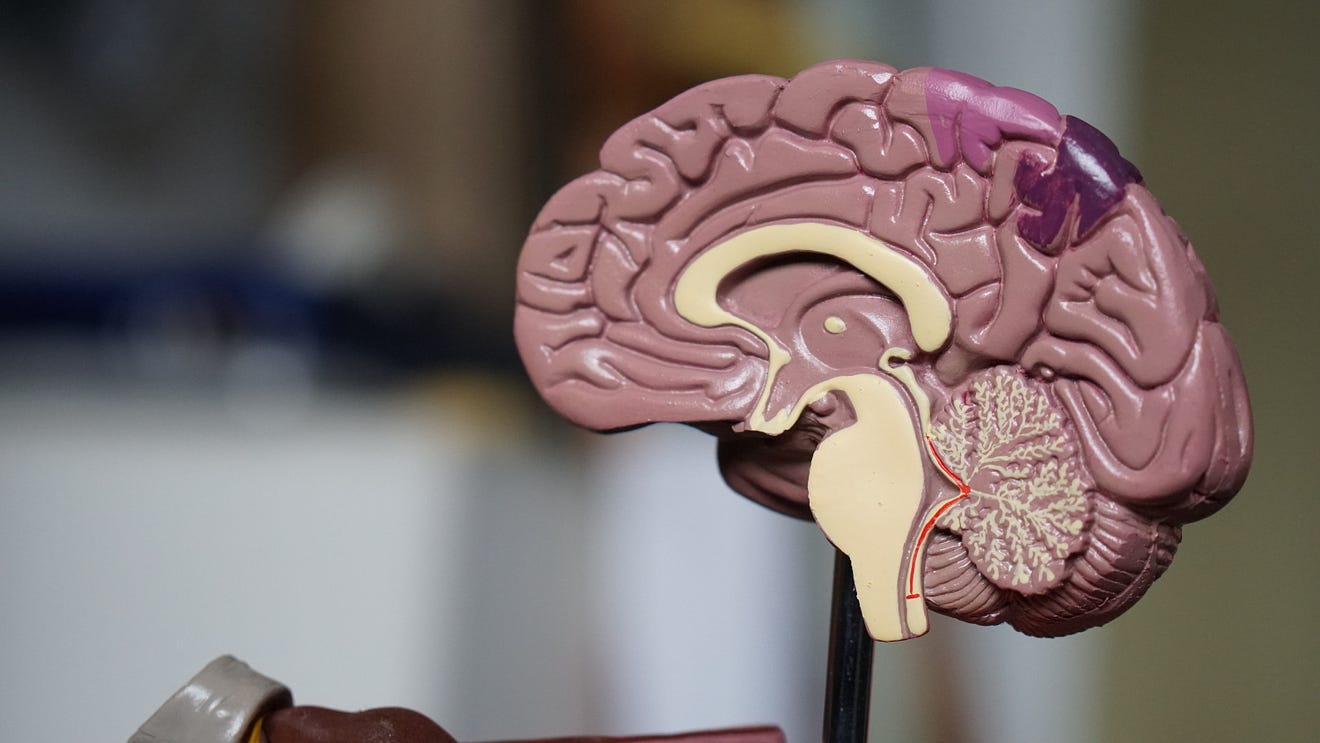
Conclusion: The Message is Clear
The bottom line is clear: heavy alcohol consumption can have a significant impact on brain function and overall IQ. While the relationship between alcohol and cognitive abilities is complex and influenced by a variety of factors, the evidence clearly suggests that excessive drinking is detrimental to brain health. So, if you’re looking to protect your brain and cognitive abilities, it’s important to limit your alcohol consumption and live a healthy, balanced lifestyle. And remember, moderation is key!
Thanks For Reading, Check out more at WhatWhyHow.net
Brandon Cobb, Aka. Darksun22


Leave a Reply