
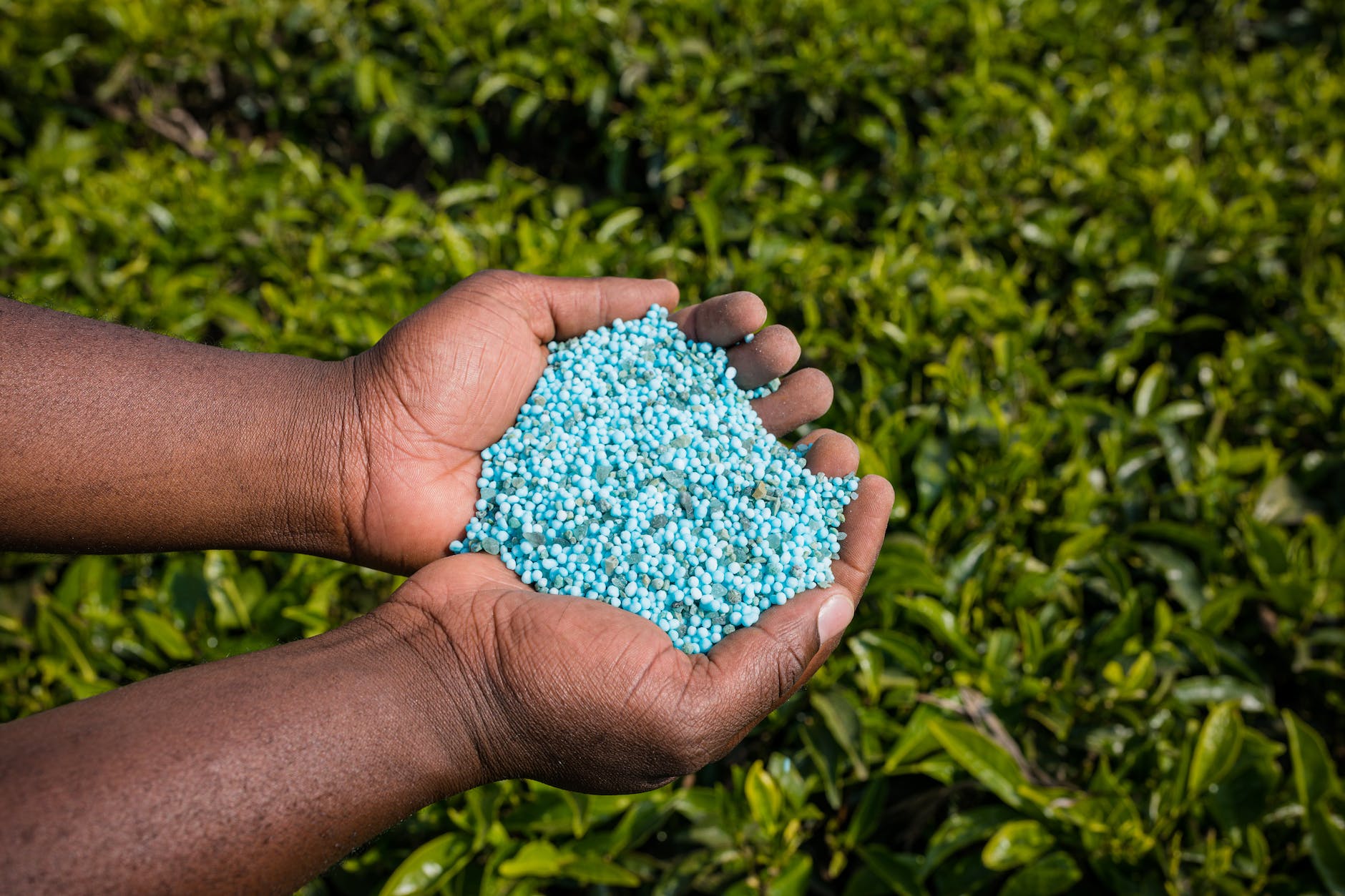
Fertilizer is a cornerstone of modern agriculture and has played a significant role in feeding the world’s growing population. It provides crops with essential nutrients and helps to boost their growth and productivity. However, the increased use of fertilizer has also had some negative effects on the environment, including soil and water pollution, as well as the growth of harmful algae blooms.
Despite these concerns, the use of fertilizer is still necessary for the world to survive. With the world’s population expected to reach 9.7 billion by 2050, food production must keep pace with this growth in order to prevent widespread hunger and malnutrition. Fertilizer plays an important role in increasing the yield of crops, making it possible to produce enough food to feed the growing population. In fact, according to a report by the Food and Agriculture Organization of the United Nations (FAO), the application of fertilizer is responsible for more than half of the increase in global cereal production over the past few decades.

However, while fertilizer may be essential for feeding the world, its environmental impact cannot be ignored. Excessive application of fertilizer can lead to soil and water pollution, which can have harmful effects on wildlife and human health. Fertilizer runoff can also contribute to the growth of harmful algae blooms, which can deplete oxygen levels in bodies of water and harm aquatic life. But fear not, dear reader, for advances in fertilizer technology are here to save the day! Precision agriculture techniques, for example, allow farmers to apply fertilizer only where and when it is needed, reducing the amount of fertilizer that is wasted and minimizing its environmental impact. The use of slow-release fertilizers and other innovative technologies can also help to reduce soil and water pollution by decreasing the amount of fertilizer runoff and leaching into the soil.
So, what does the future hold for fertilizer and agriculture? Well, that’s a million-dollar question (literally, the fertilizer industry is worth billions). However, one thing is for certain: the demand for fertilizer will only continue to grow as the world’s population increases and the need for food production becomes increasingly pressing. It is likely that future advances in fertilizer technology will focus on further reducing its environmental impact while maintaining its effectiveness in boosting crop growth.

The use of fertilizer is a double-edged sword. On one hand, it is essential for feeding the world and increasing food production. On the other hand, it can have negative environmental effects, such as soil and water pollution. But with advances in fertilizer technology, it is possible to strike a balance between the need for food production and the protection of the environment. So, let’s raise a glass of nutrient-rich soil water to fertilizer and all that it does for us (and to all the future innovations in fertilizer technology that will make our planet a better place).
Thanks For Reading, Check out more at WhatWhyHow.net
Brandon Cobb, Aka. Darksun22


Leave a Reply