
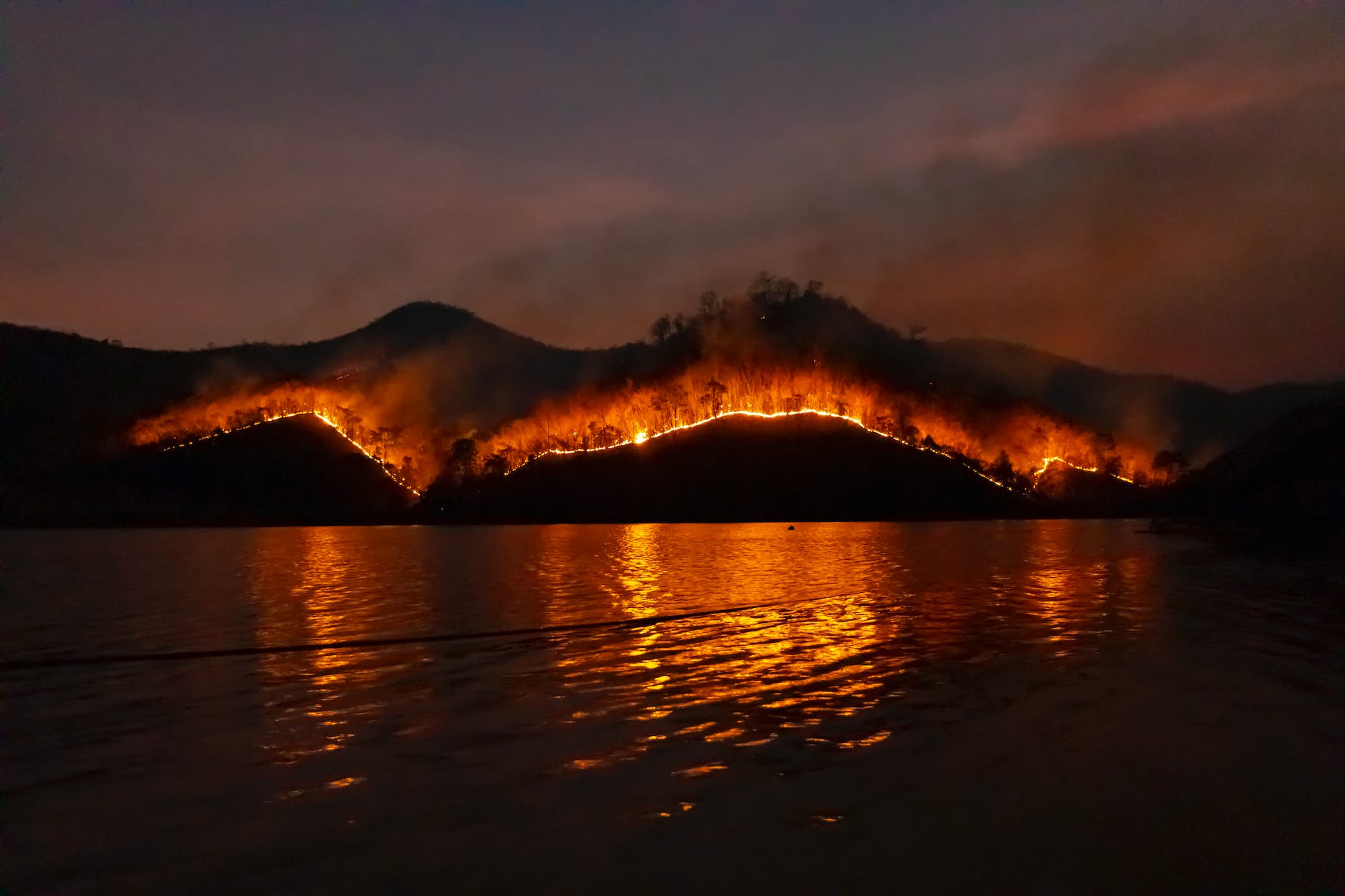
Artificial Intelligence (AI) is revolutionizing the way we fight wildfires. With its ability to analyze vast amounts of data in real-time and make predictions based on that information, AI has the potential to dramatically improve our response to these devastating events. From predicting the likelihood and spread of fires, to detecting them early and optimizing the deployment of resources, AI is changing the game for those on the frontlines of firefighting.
Let’s start with predictive modeling. AI algorithms can be trained on historical data, such as weather patterns, fuel moisture levels, and fire spread data, to predict the likelihood and spread of fires. This information is a valuable tool for authorities who can use it to take preventive measures, such as clearing brush and dead trees, and to allocate resources more effectively. For example, firefighting teams can be deployed to areas that are predicted to be at a higher risk of fire, allowing them to respond more quickly and effectively when a fire does break out. And let’s be real, who wouldn’t want a head start on fighting a wildfire? It’s like having a cheat code for the world’s most intense game of whack-a-mole.
But what happens when the fire has already started? That’s where fire detection comes in. AI-powered cameras and satellite imagery can quickly identify the presence of fires, providing real-time information to response teams. This technology can also provide detailed information about the size, location, and spread of the fire, which can be used to guide the deployment of resources and make strategic decisions about how best to respond. For example, firefighting teams can use this information to determine the most effective way to contain the fire, whether that be by digging fire breaks, dropping fire retardant, or using helicopters to drop water. It’s like having an extra set of eyes in the sky to help coordinate the firefighting effort.
But even with the best technology, resources can still be wasted if they’re not deployed in the most efficient way possible. That’s where AI can help optimize resource deployment. By analyzing real-time information about the fire, such as weather conditions and the location of firefighting teams, AI can provide insights into the most efficient deployment of resources, such as fire trucks, helicopters, and personnel. For example, AI algorithms can analyze the location of firefighting teams and suggest the optimal routes for fire trucks to take, reducing response times and maximizing the efficiency of the response effort. It’s like having a firefighting traffic cop directing all the resources to the right place.
AI is already being used in a limited capacity to assist in fighting wildfires, but its potential is significant. As AI technology continues to advance and become more integrated into emergency response systems, it is likely to play a larger role in predicting and mitigating the impact of fires. Just imagine a future where AI can not only predict the likelihood of a fire, but also predict the best way to contain it, and even the resources needed to do so. It sounds like something out of a science fiction movie, but it’s rapidly becoming a reality.
Of course, all this technology comes with a cost. The cost of implementing AI technology for firefighting will depend on the specific applications and infrastructure required. However, the potential benefits, such as increased safety for communities and firefighters, and the reduction of property damage and economic losses, make it a worthwhile investment for many organizations and governments. After all, what’s a few million dollars when compared to the priceless value of human lives and property?
AI has the potential to revolutionize the way we fight wildfires. By leveraging machine learning algorithms, AI can help predict the likelihood and spread of fires, assist in detecting fires, and optimize the deployment of resources. While we still have a ways to
go before AI becomes the primary tool for fighting wildfires, its integration into the firefighting effort is already yielding positive results. As AI technology continues to advance, it is likely to play an even larger role in predicting, mitigating, and responding to these devastating events.
It’s also worth noting that AI is not a silver bullet. It is a tool, and like any tool, it is only as effective as the person using it. Firefighters and authorities must work hand-in-hand with AI technology to ensure that it is used to its full potential. For example, AI algorithms can provide valuable insights into the spread of a fire, but it is still up to human decision-makers to interpret that information and make the best decisions for response efforts.
In the end, the use of AI in fighting wildfires is a step forward in using technology for good. By using AI to analyze vast amounts of data and make predictions, we can make our firefighting efforts more effective, efficient, and safer for everyone involved. And if we can save just one more life or protect just one more home with the help of AI, then it’s definitely worth the investment.
So, let’s keep our fingers crossed for a future where wildfires are a thing of the past, and AI is the hero of the day. And in the meantime, let’s continue to support our brave firefighters and the technology that helps them do their jobs better and safer.

Leave a Reply