

The Clovis Culture: A Case of Extinction or Simply a Lack of Timeless Fashion Sense?
Ah, the Clovis Culture, a prehistoric civilization that roamed North America some 11,500 to 11,000 years ago. They were known for their distinctive stone tools, weapons, and — let’s be honest — questionable fashion choices. But what really happened to this enigmatic civilization? Why did they vanish into the annals of history, leaving nothing but their quirky projectile points as evidence of their existence? Well, buckle up folks, because we’re about to embark on a journey to uncover the mystery of the Clovis Culture’s extinction.
The Younger Dryas Impact Hypothesis: The Antediluvian Version of a Cosmic Strikeout

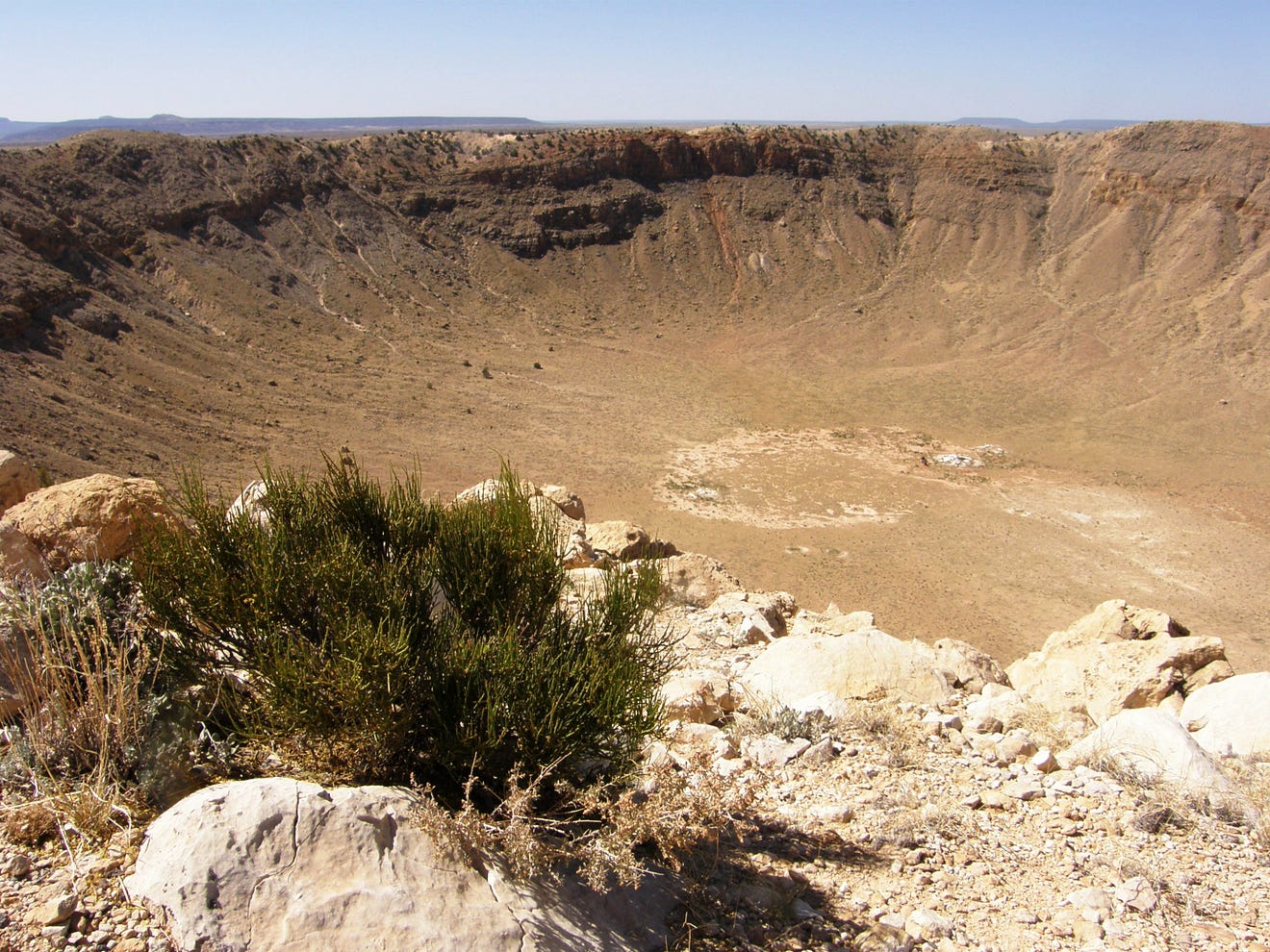
For decades, scientists have pondered the fate of the Clovis Culture, with theories ranging from climate change to the extinction of their food source. However, one theory that has caused quite a stir in the scientific community is the Younger Dryas Impact Hypothesis. This theory suggests that the Clovis Culture was eradicated from the face of the earth by a massive comet or meteor impact at the end of the last ice age.
The idea of a massive impact wiping out the Clovis Culture was first proposed in the 1990s by a team of researchers led by Richard Firestone of the Lawrence Berkeley National Laboratory in California. The evidence for this theory includes high levels of platinum and other metals in North American sediments, believed to have been deposited by the impact, as well as microscopic spheres of glass, known as microspherules, which are thought to have formed from the intense heat of the impact.

Widespread destruction, fires, and a sudden cooling of the climate are said to have contributed to the Clovis Culture’s downfall. A study published in the journal “Science” in 2008 found evidence of widespread wildfires at the time of the Younger Dryas impact, while a study published in “Geology” in 2009 found evidence of a layer of sediment in North America containing high levels of iridium, a metal commonly found in asteroids and comets.
But is this theory the end-all, be-all explanation for the Clovis Culture’s extinction? Not so fast. While the Younger Dryas Impact Hypothesis has its supporters, there is also evidence that contradicts it, and the cause of the Clovis Culture’s extinction is still shrouded in mystery.
The Case for Climate Change and Dietary Changes: A Recipe for Extinction
Some researchers believe that the Clovis Culture simply vanished due to a combination of environmental factors, such as changes in the climate and the extinction of large game animals that they relied on for food. For instance, a study published in “Nature” in 2013 found evidence that the extinction of the Clovis Culture was likely due to a combination of environmental factors, rather than a single impact event. Researchers analyzed ancient DNA from the teeth of Clovis people and found that their diet was primarily composed of large game animals, such as mammoths and bison. The extinction of these animals, combined with changes in the climate, made it difficult for the Clovis Culture to survive.

So, what really happened to the Clovis Culture? Was it a cosmic strikeout or simply a lack of adaptability in the face of changing circumstances? The truth is, we may never know for sure. But one thing is certain, the Clovis Culture remains one of the greatest mysteries of North American prehistory.
Thanks For Reading, Check out more at WhatWhyHow.net
Brandon Cobb, Aka. Darksun22


Leave a Reply