
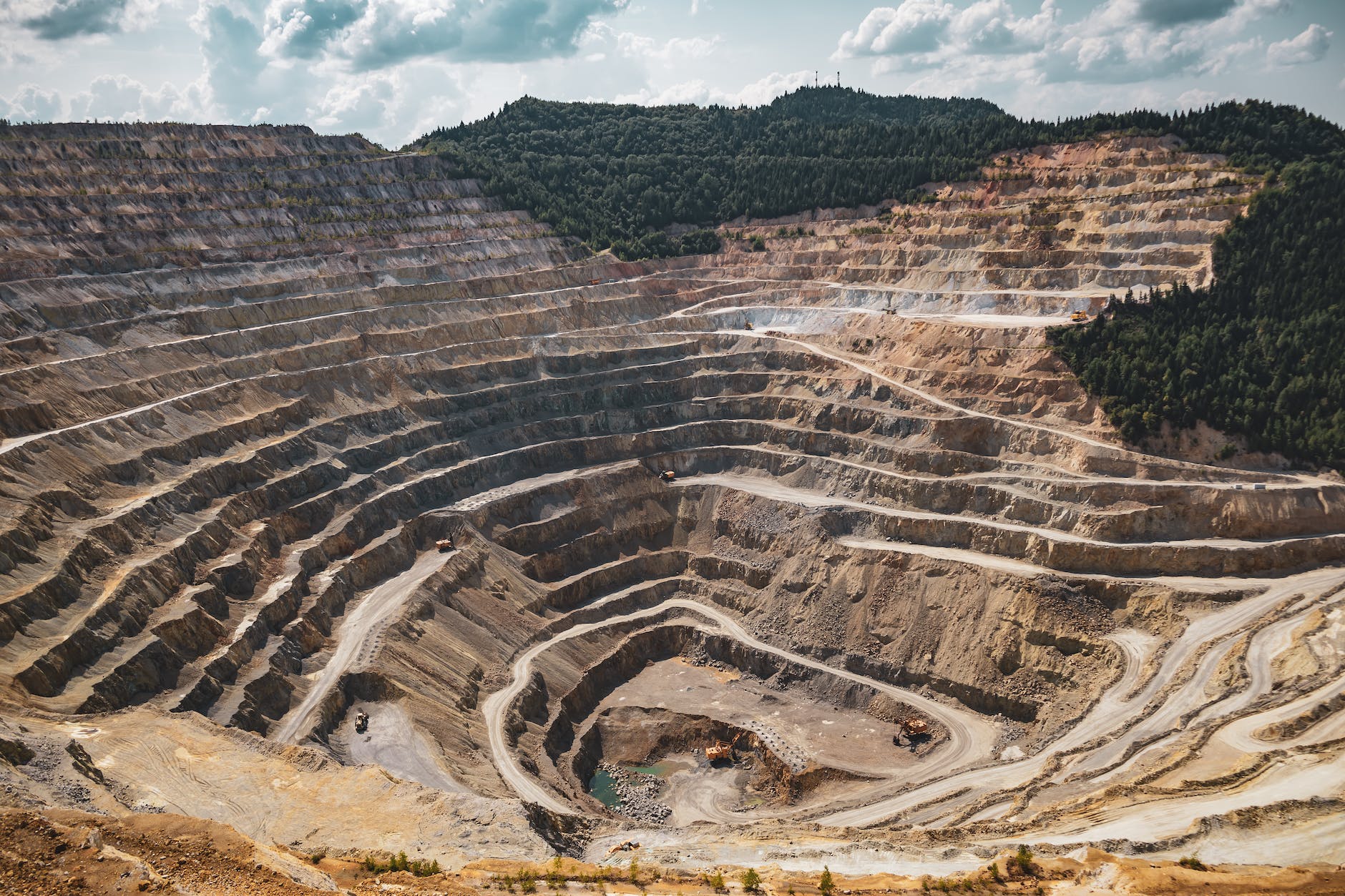
As technology continues to evolve and progress, the demand for lithium, a crucial component in batteries used in a range of consumer electronics and electric vehicles, is skyrocketing. But with this growing demand comes a pressing question: will we have enough lithium to keep up with consumption in the next 100 years? The answer, my friends, is not as simple as a binary “yes” or “no.” Allow me to take you on a journey through the lithium landscape, where we’ll explore both the optimist and pessimist perspectives on this critical resource.
First, let’s take a look at the demand side of the equation. The electric vehicle market is expected to grow significantly in the coming years, with the global electric vehicle fleet projected to increase from 5 million vehicles in 2019 to around 140 million vehicles in 2030, according to a report by the International Energy Agency. This increase in demand for electric vehicles will place significant pressure on the lithium supply.

Now, let’s take a look at the supply side of the equation. Despite current reserves and production rates, there are valid reasons to be pessimistic about our ability to meet future demand for lithium. One major concern is the rate at which lithium is being consumed. New sources of lithium are not being discovered at a fast enough rate to keep up with growing demand.
Furthermore, the extraction of lithium is not without its challenges and environmental concerns. Lithium mining is often associated with water scarcity, land degradation, and other environmental problems. This not only affects the availability of lithium but also raises questions about the sustainability of current extraction practices.

And if that wasn’t enough, alternative energy storage technologies that do not rely on lithium are also being explored. This could potentially reduce the demand for lithium in the future, further exacerbating the risk of a lithium shortage. It’s enough to make even the most optimistic lithium advocate feel a little blue.
But hold on, optimists! There is still hope for the future of lithium. While the extraction of lithium is associated with environmental and sustainability concerns, responsible and sustainable mining practices can minimize these impacts. In addition, recycling lithium from used batteries could potentially reduce the demand for new lithium by up to 50%, according to a report by the US Department of Energy.
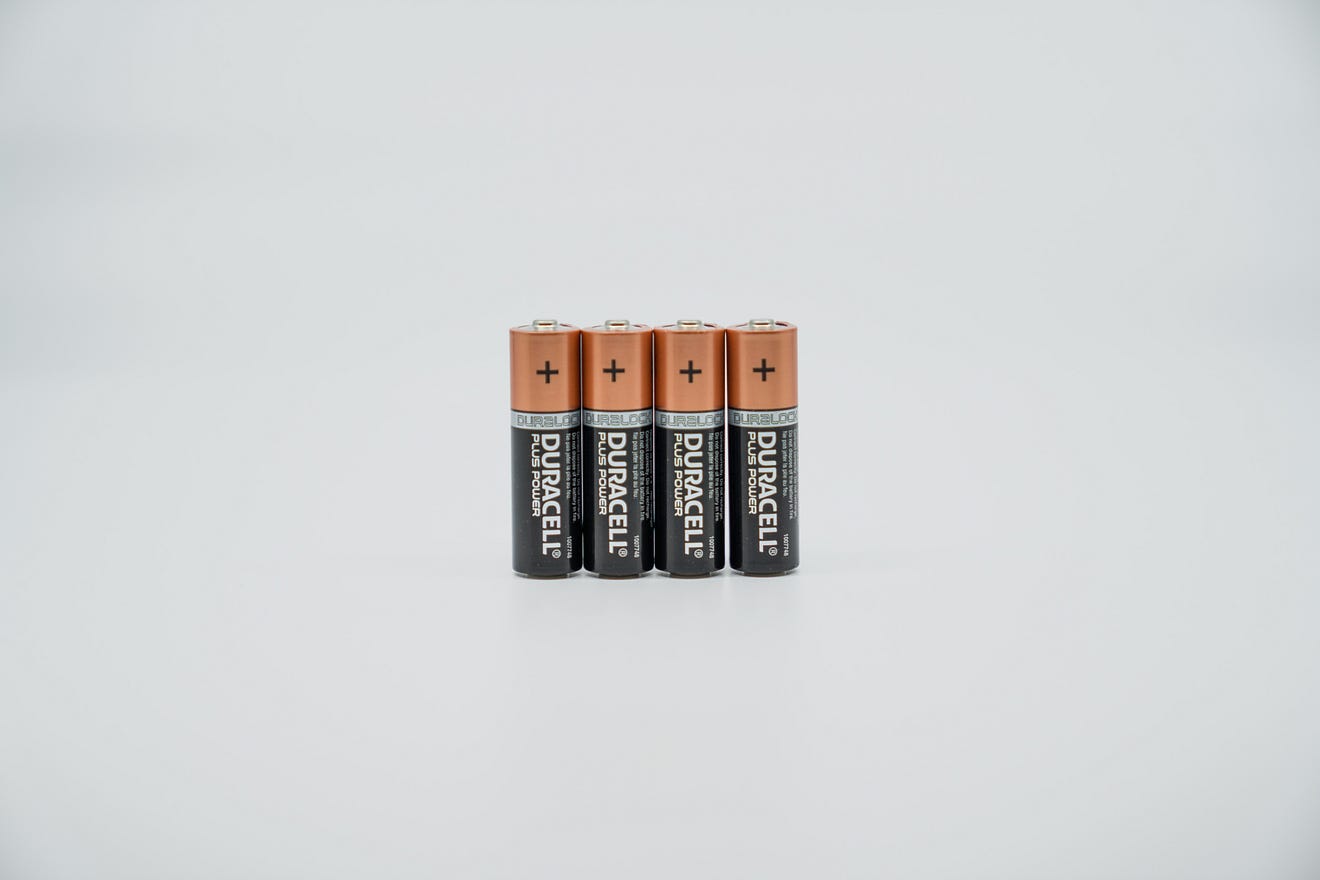
So, where does that leave us? Is the future of lithium looking bright or bleak? The truth lies somewhere in between. While there are valid concerns about our ability to meet future demand for lithium, there are also solutions and opportunities to ensure a stable supply of this critical resource.
Thanks For Reading, Check out more at WhatWhyHow.net
Brandon Cobb, Aka. Darksun22


Leave a Reply