
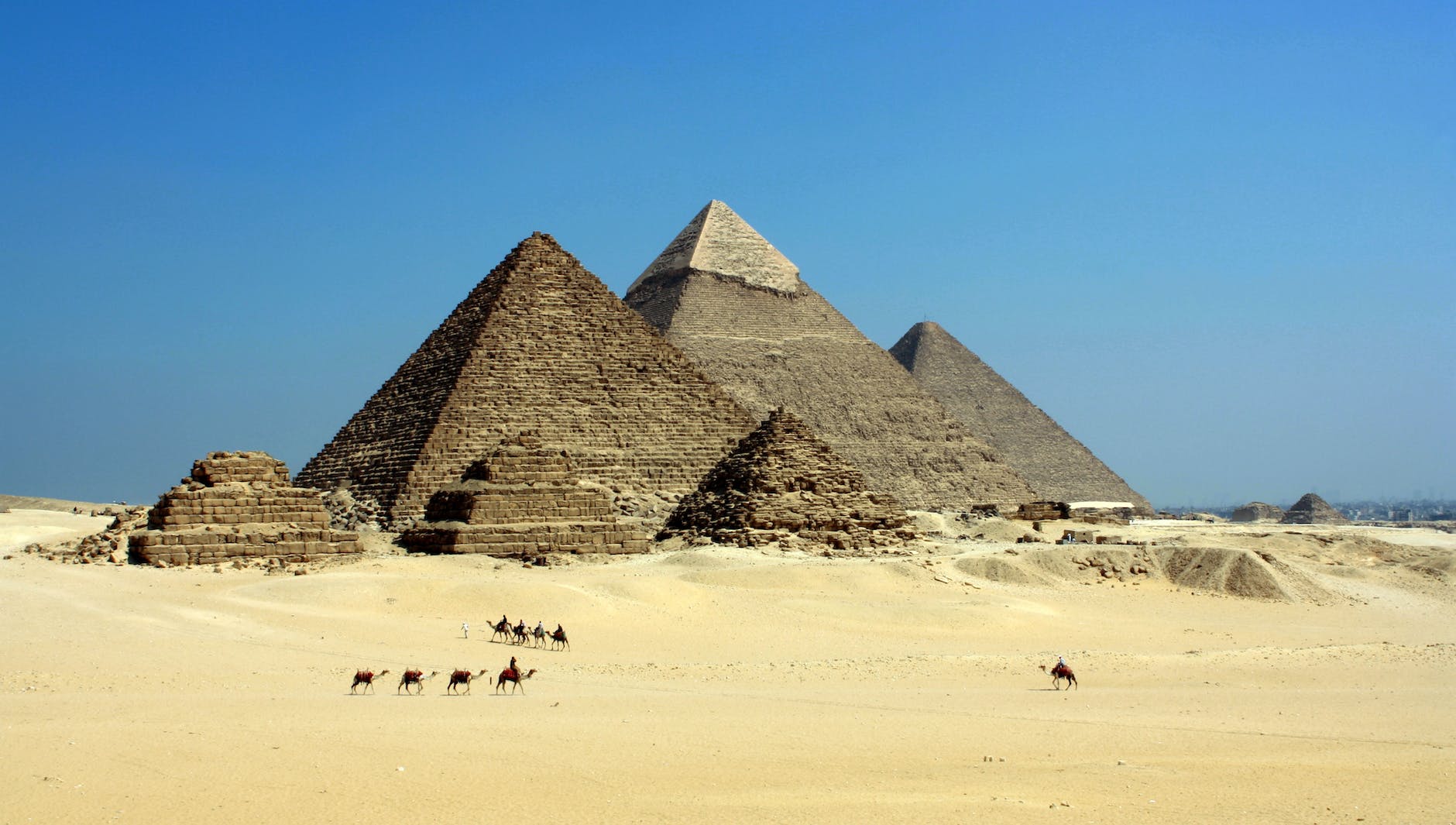
The pyramids of Giza are some of the most iconic structures in the world, standing as a testament to the ingenuity and engineering prowess of the ancient Egyptians. But there is another aspect of the pyramids that has captivated the minds of historians and archaeologists for centuries: the tunnels dug into the bedrock beneath them. Despite the many theories that have been put forth, the purpose of these underground structures remains a mystery.
The theories range from the practical to the absurd. Some believe that the tunnels were used to transport heavy building materials, such as stone blocks, into the interior of the pyramid. It’s a good theory, but it’s hard to imagine how the ancient Egyptians managed to get those massive stone blocks down into the tunnels without breaking them. Maybe they had some kind of magic levitation device? Or maybe they used a giant ramp and a lot of muscle power? The truth is, we just don’t know.
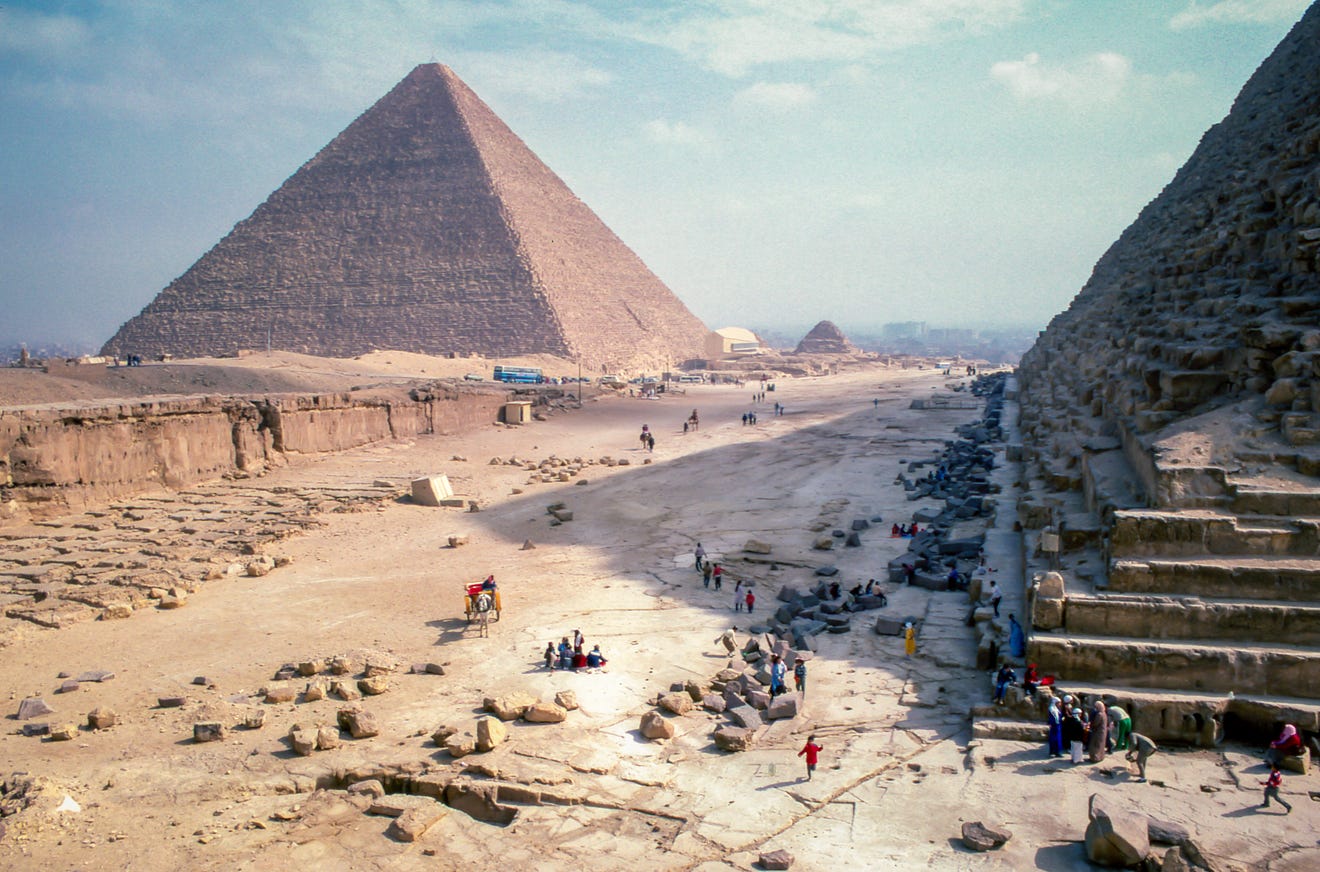
Others think that the tunnels served as a convenient way for workers to access different parts of the pyramid during construction. This theory is based on the idea that the workers needed to be able to get in and out of the pyramid quickly and easily. But again, there’s not much evidence to support this theory. In fact, some experts believe that the tunnels were built after the pyramid was completed, as a way for pharaohs and their consorts to access the afterlife.
This leads us to the most intriguing theory of all: that the tunnels served as tombs for pharaohs and their consorts. This theory is based on the discovery of several sealed chambers and passages in the pyramids. In these chambers, researchers have found artifacts, such as pottery and jewelry, which suggest that they were used for burial purposes. But again, the evidence is circumstantial at best. The sealed chambers could have been used for storage, or they could have been part of a larger, more elaborate tomb system that has yet to be discovered.

One of the leading experts in the field of Egyptology, Zahi Hawass, has conducted extensive research on the pyramids of Giza, including the tunnels beneath them. According to Hawass, more research is needed to determine the true purpose of the tunnels and to shed light on the many mysteries surrounding the pyramids. “The pyramids of Giza are a symbol of the ancient Egyptian civilization and its architectural achievements,” says Hawass. “It is our duty as archaeologists and historians to uncover the secrets of these structures and to learn as much as we can about the people who built them.”
So what’s next for the pyramids of Giza? The answer is simple: more research and exploration. As technology improves and new techniques are developed, we may finally be able to unravel the mysteries of the tunnels and gain a deeper understanding of the ancient Egyptian civilization. Who knows, we may even discover a hidden tomb filled with treasures that have been lost for thousands of years. But until then, we can only speculate and dream.
Thanks For Reading, Check out more at WhatWhyHow.net
Brandon Cobb, Aka. Darksun22


Leave a Reply