
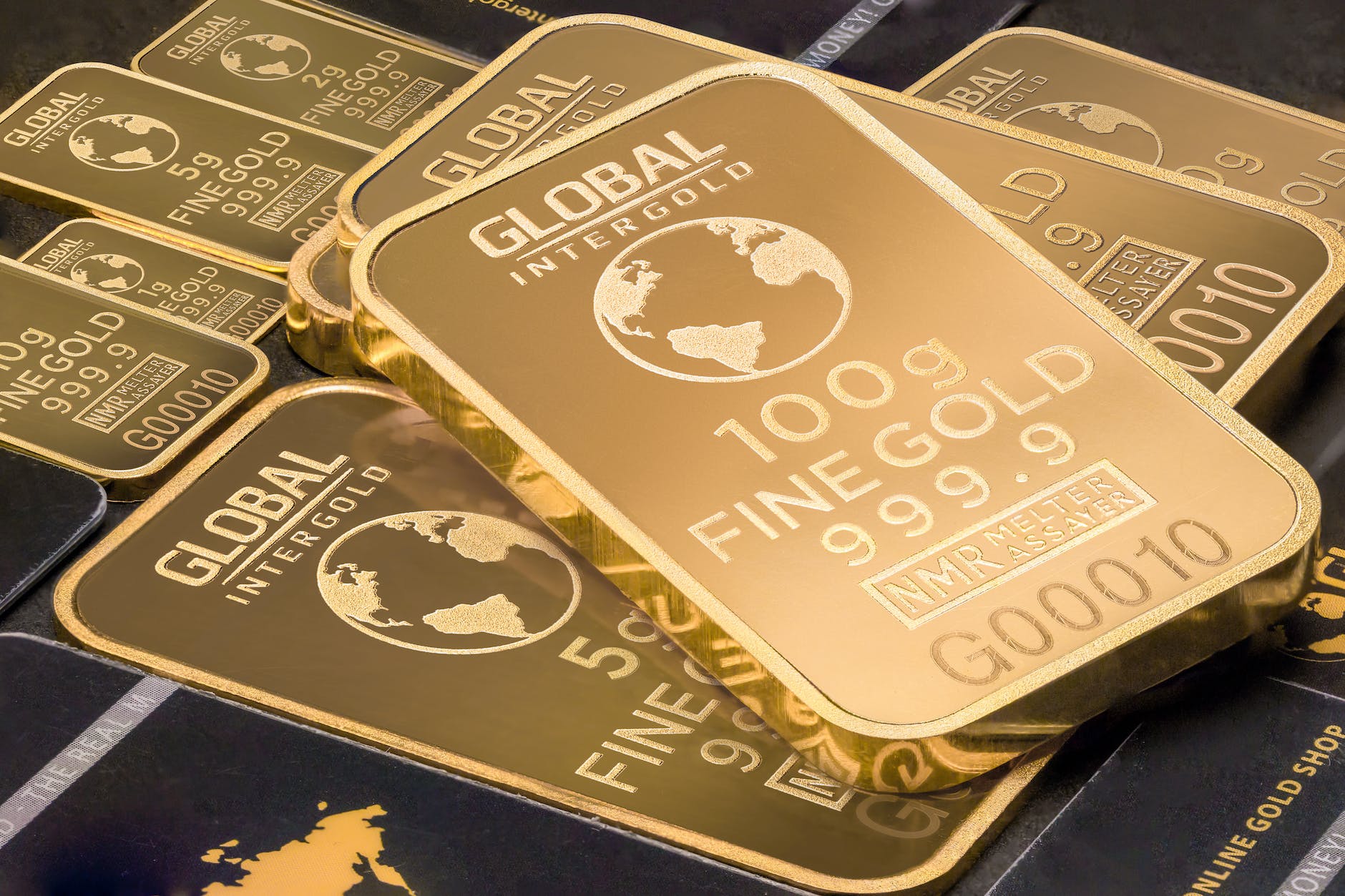
Gold is one of the oldest and most prized elements known to humanity. From the ancient Egyptians to modern-day investors, gold has always been a symbol of wealth and prosperity. But what exactly is this glittering metal and why is it so valuable? In this article, we’ll delve into the world of gold and answer questions about its abundance, ownership, and future.
First off, let’s talk about the quantity of refined gold in the world. As of 2021, it is estimated that there are approximately 170,000 tonnes of above-ground refined gold. This estimate comes from the World Gold Council, the industry organization that tracks the supply and demand of gold globally. However, this number should be taken with a grain of salt. It’s hard to know the exact amount of gold on Earth, due to factors such as underground mining, unofficial mining operations, and unreported sales and transfers. In other words, if you’re hoping to find a map to the fabled “X” marking the spot for the world’s gold reserves, you’re out of luck.

Now, who exactly owns all this gold? The answer is a mixture of governments, central banks, jewelry makers, individuals, and other organizations. Governments hold gold as a reserve asset, with the United States leading the pack with over 8,000 tonnes. Central banks also hold gold as a reserve asset to support their national currencies. In 2019, central banks around the world bought a whopping 374.1 tonnes of gold, a 74% increase from the previous year. It seems central banks know a good thing when they see it.
Jewelry makers also play a role in the gold market. A significant amount of gold is used to make jewelry, and these makers often hold large quantities of gold to support their operations. In 2019, the global jewelry market was estimated to be worth $310 billion. That’s a lot of bling!
Individuals also invest in gold as a hedge against inflation and currency fluctuations. This includes those who purchase gold coins, bars, or exchange-traded funds (ETFs). If you’re one of those people who see gold as a safe haven in volatile times, you’re not alone.
Other organizations, such as mining companies and gold trading companies, hold gold as a product or as a means of financing their operations. These organizations are the behind-the-scenes players that help keep the gold market running smoothly.
Gold ownership can change hands frequently, as it is traded on financial markets such as the London Bullion Market and the New York Mercantile Exchange. This liquidity makes gold a popular investment option for those looking to diversify their portfolios. However, if you’re hoping to get rich quick by trading gold, you might want to think twice. As with any investment, there are always risks involved.
So, what does the future hold for gold? It’s impossible to say for certain, but some experts believe that gold will continue to play a role in the global economy for years to come. For example, Professor Mark C. J. Stumpf of Pennsylvania State University has studied the geology of gold deposits and the impact of mining on the environment. His work provides a scientific understanding of the origins and distribution of gold in the Earth’s crust. Who knows, there might even be undiscovered deposits of gold waiting to be found.
Thanks For Reading, Check out more at WhatWhyHow.net
Brandon Cobb, Aka. Darksun22


Leave a Reply