
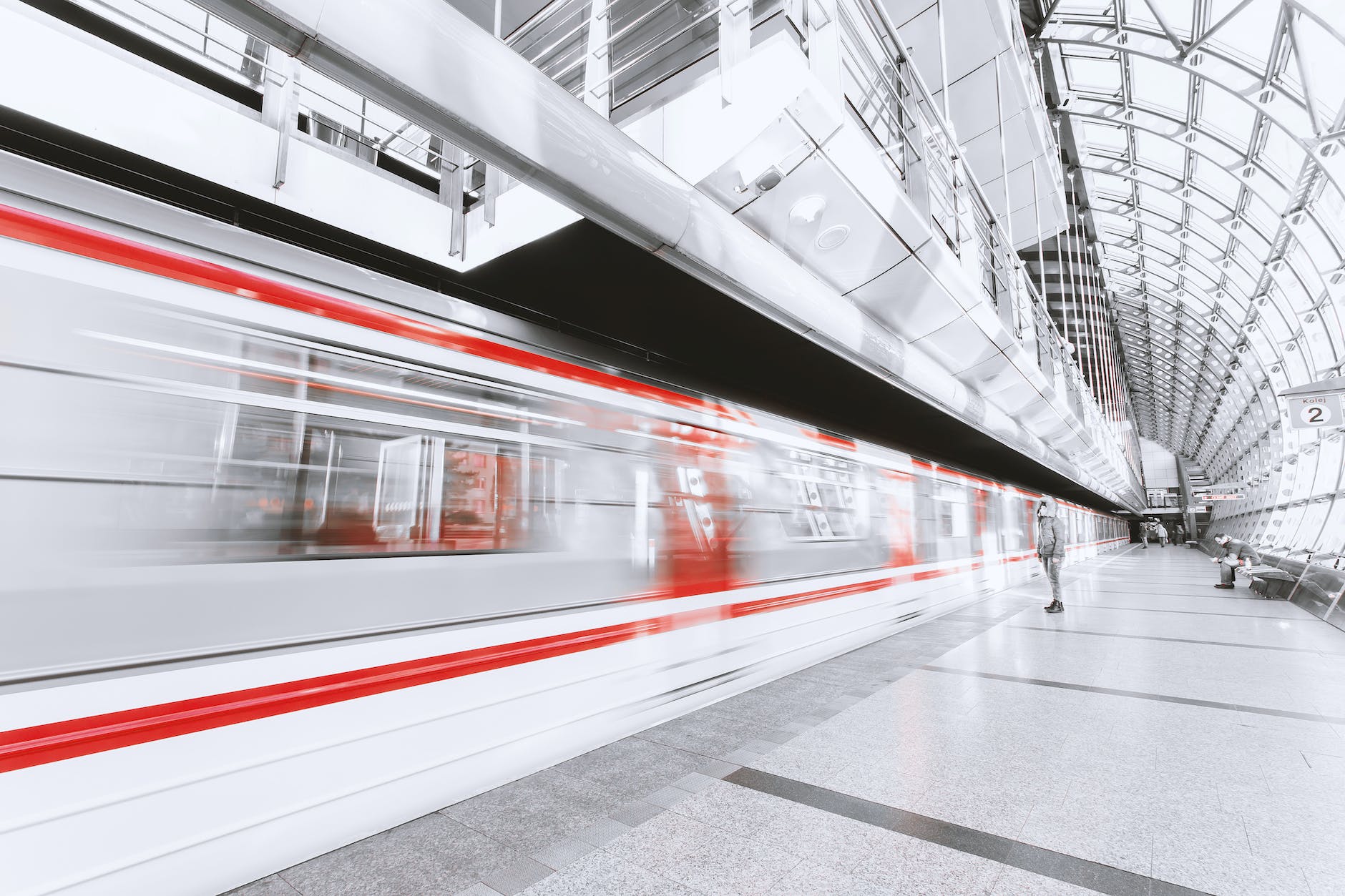
High-speed rail (HSR) is a rapidly growing mode of transportation that is changing the way people travel around the world. With speeds reaching over 200 miles per hour, HSR provides fast, convenient, and efficient travel that connects cities and regions, reduces travel time, and contributes to sustainable development. The underground variant of HSR, which operates in subterranean tunnels, offers many benefits over conventional above-ground trains and other modes of transportation. Despite its advantages, the United States has been slow to adopt this technology. In this article, we’ll explore why underground HSR is the future of transportation and why the US should embrace it.
First, let’s look at the benefits of underground HSR. By operating in tunnels, HSR systems are protected from weather, traffic, and other disruptions that can slow down trains and cause delays. According to a study by the European Rail Research Institute, underground HSR trains have an average delay of just 3 minutes, compared to an average of 20 minutes for above-ground trains. This results in a more reliable and punctual service, making it a great option for travelers who are in a hurry or have tight schedules. Furthermore, underground HSR systems can connect cities and regions faster and more efficiently than other modes of transportation. For example, the Tokyo-Osaka Shinkansen line in Japan, which is partially underground, cuts travel time between the two cities from four hours by car to just 2 hours and 22 minutes by train.
Underground HSR also contributes to sustainable development by reducing greenhouse gas emissions and improving air quality. According to the International Union of Railways, HSR systems emit 90% less greenhouse gas emissions per passenger-kilometer compared to air travel and 75% less compared to car travel. By providing an alternative to air and car travel, HSR reduces the number of cars on the road and the amount of emissions they produce, making it a greener option for travel. Additionally, HSR systems can generate economic benefits by stimulating regional development, creating jobs, and attracting investment. A study by the National Bureau of Economic Research found that HSR investments in Europe and Japan generated substantial economic benefits, including increased productivity, employment, and tourism.
So why has the US been slow to embrace underground HSR? There are several reasons, including cost, land acquisition, political barriers, and the existing transportation infrastructure. The cost of building underground HSR systems can be high, with estimates ranging from $100 million to $300 million per mile. However, the cost of building HSR systems has decreased over time, and new technologies and innovations can help to further reduce costs. Additionally, the cost of HSR should be viewed in the context of the long-term benefits it provides, such as reduced travel time, improved connectivity, and reduced greenhouse gas emissions.
Another factor that has held back HSR in the US is a lack of political will. However, there are signs that this is changing, with more and more policymakers and the public recognizing the benefits of HSR and supporting its development. For example, California is currently building a high-speed rail system that will connect San Francisco and Los Angeles, and there are plans to expand the system to other cities in the state. Additionally, there is growing support for HSR at the federal level, with the Biden administration committing to invest in the development of HSR systems.
In conclusion, underground HSR is the future of transportation, offering fast, convenient, and sustainable travel that connects cities and regions, reduces travel time, and contributes to sustainable development. The US should embrace this technology, overcome the challenges, and invest in its development, so that future generations can enjoy the benefits of a modern and efficient transportation system. With global warming and environmental degradation becoming more pressing issues, it is crucial that we transition to a more sustainable mode of transportation, and underground HSR fits that bill.
Moreover, the benefits of underground HSR go beyond just the environment and convenience. HSR creates jobs and spurs economic growth, particularly in the areas where it is built and operated. This creates a ripple effect of positive benefits throughout the region, including increased property values and improved quality of life.
Finally, it is important to note that other countries have already successfully embraced underground HSR and are reaping the benefits. Europe and Asia, in particular, have extensive HSR networks that connect major cities and reduce travel time, while also promoting sustainable development. The US can learn from these successes and adopt best practices to make its own HSR system even more efficient and effective.
The US should take advantage of the numerous benefits offered by underground HSR and invest in its development. This will improve connectivity, reduce travel time, promote sustainable development, create jobs, and spur economic growth. The future of transportation is here, and it is time for the US to embrace it.
Thanks For Reading, Check out more at WhatWhyHow.net
Brandon Cobb, Aka. Darksun22


Leave a Reply