

In today’s world, it seems like there is no place on Earth that is truly untouched by civilization. However, there are still a few remote places on our planet that remain isolated and offer a unique window into the world’s most pristine and undisturbed environments. Here, we will take a closer look at the world’s seven most remote places, what makes them special, and what they can teach us about our planet and our place in the world.
The McMurdo Dry Valleys, Antarctica

The McMurdo Dry Valleys of Antarctica are considered one of the world’s most remote and inhospitable places. This valley system is located on the coast of the Ross Sea and is characterized by its barren, ice-free landscape and extremely low humidity. Despite its inhospitable environment, the McMurdo Dry Valleys are considered one of the world’s most important research sites, providing important information about the Earth’s climate and its past.
The valleys are home to a number of unique species, including bacteria that are able to survive in the harsh and extreme conditions of the valleys. These bacteria, known as extremophiles, have unique adaptations that allow them to survive in environments that would be inhospitable to most other life forms. The study of these bacteria and their unique adaptations provides valuable information about the limits of life on our planet and the potential for life in other extreme environments.
The North Pole
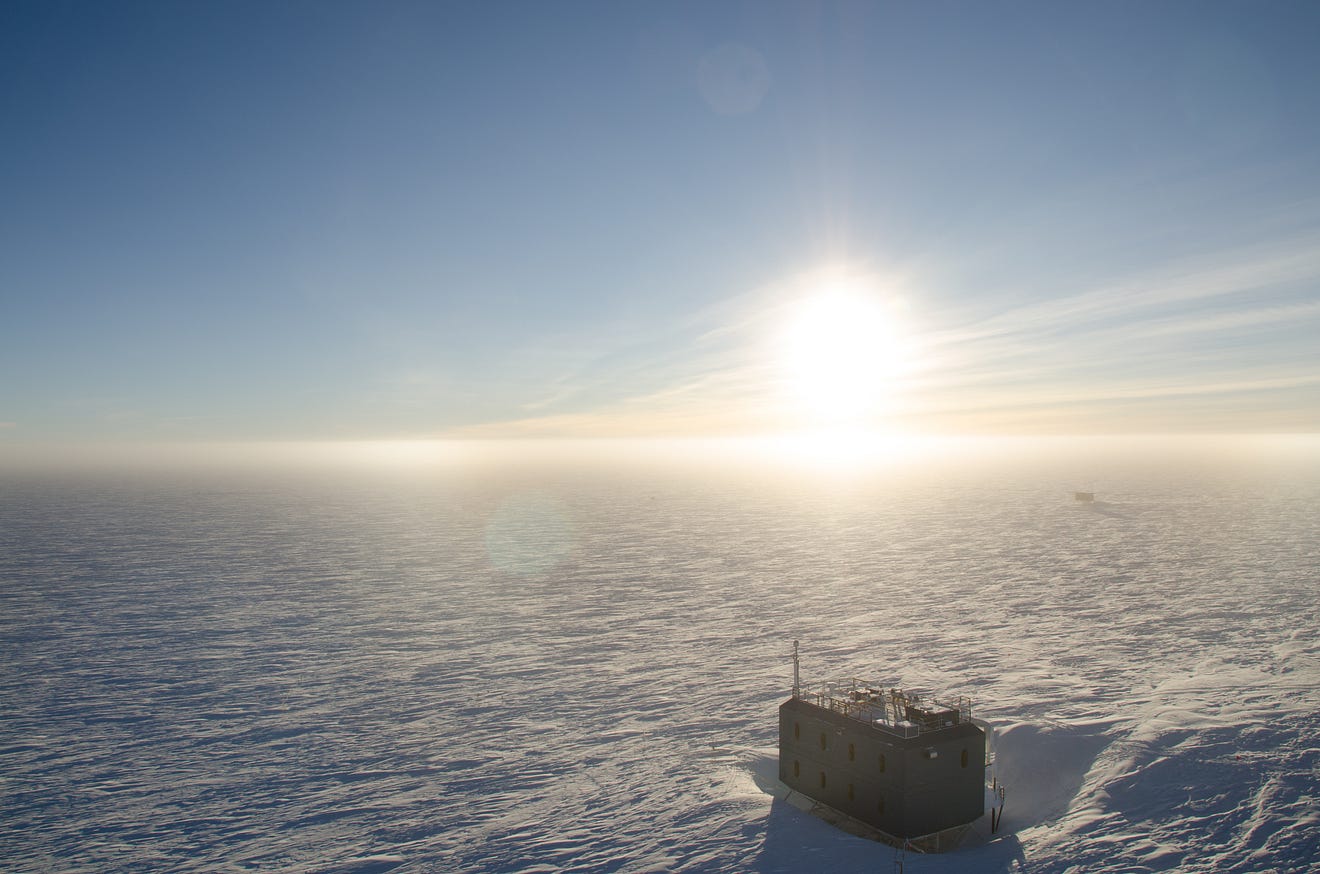
The North Pole is one of the world’s most remote and inhospitable environments, characterized by its harsh and unforgiving climate. Despite its remote location, the North Pole is considered one of the world’s most important research sites, providing valuable information about the Earth’s climate and its past. The North Pole is home to a number of unique species, including polar bears, Arctic foxes, and walruses, all of which have unique adaptations that allow them to survive in the extreme conditions of the region.
One of the most interesting aspects of the North Pole is its role as a global climate indicator. The ice in the Arctic Ocean serves as an important barometer of the Earth’s climate, and scientists have long used the region to study the Earth’s climate and its past. The melting of the ice in the Arctic Ocean is also considered one of the most pressing environmental issues of our time, and the North Pole is considered a key indicator of the health of our planet.
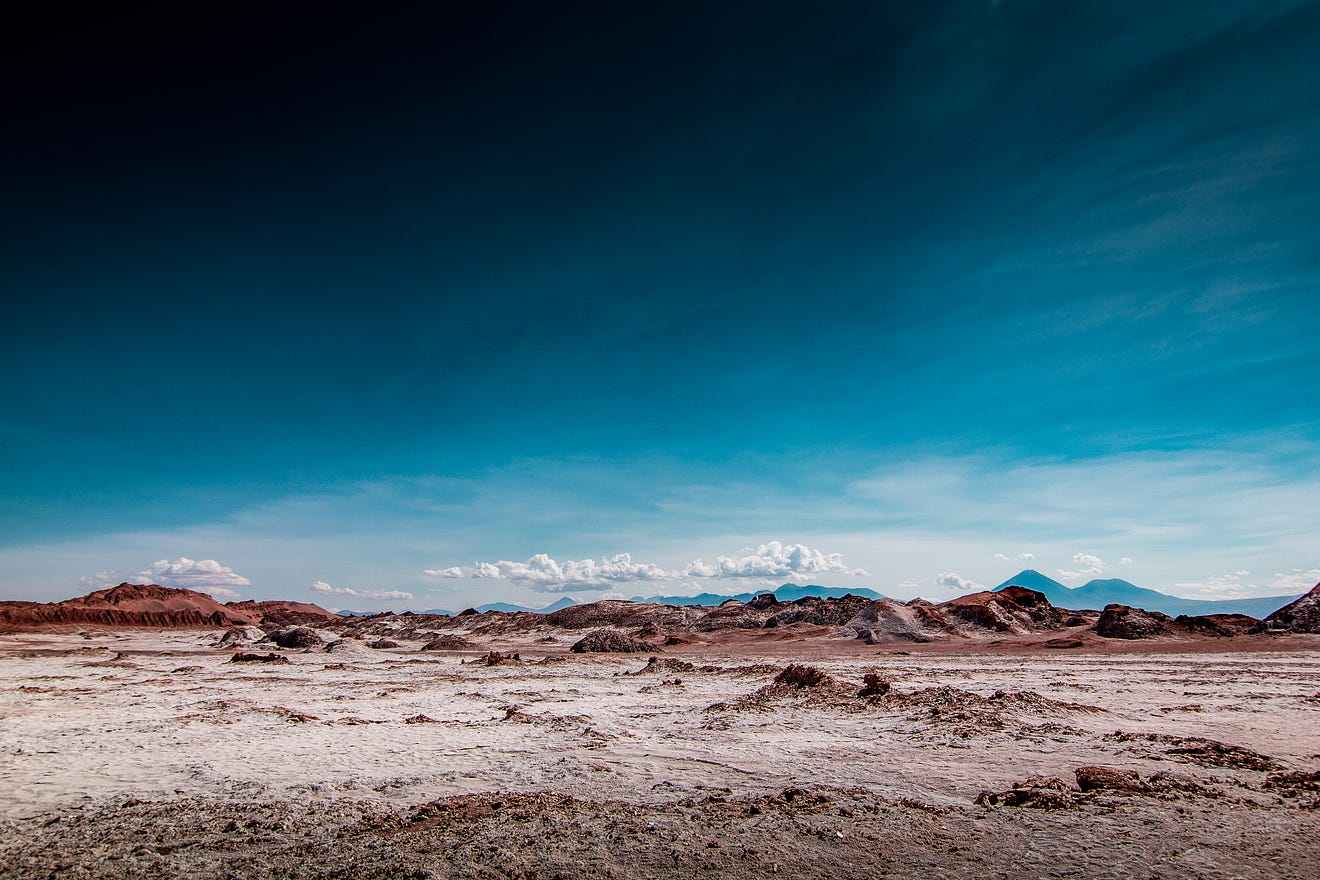
The Atacama Desert, Chile
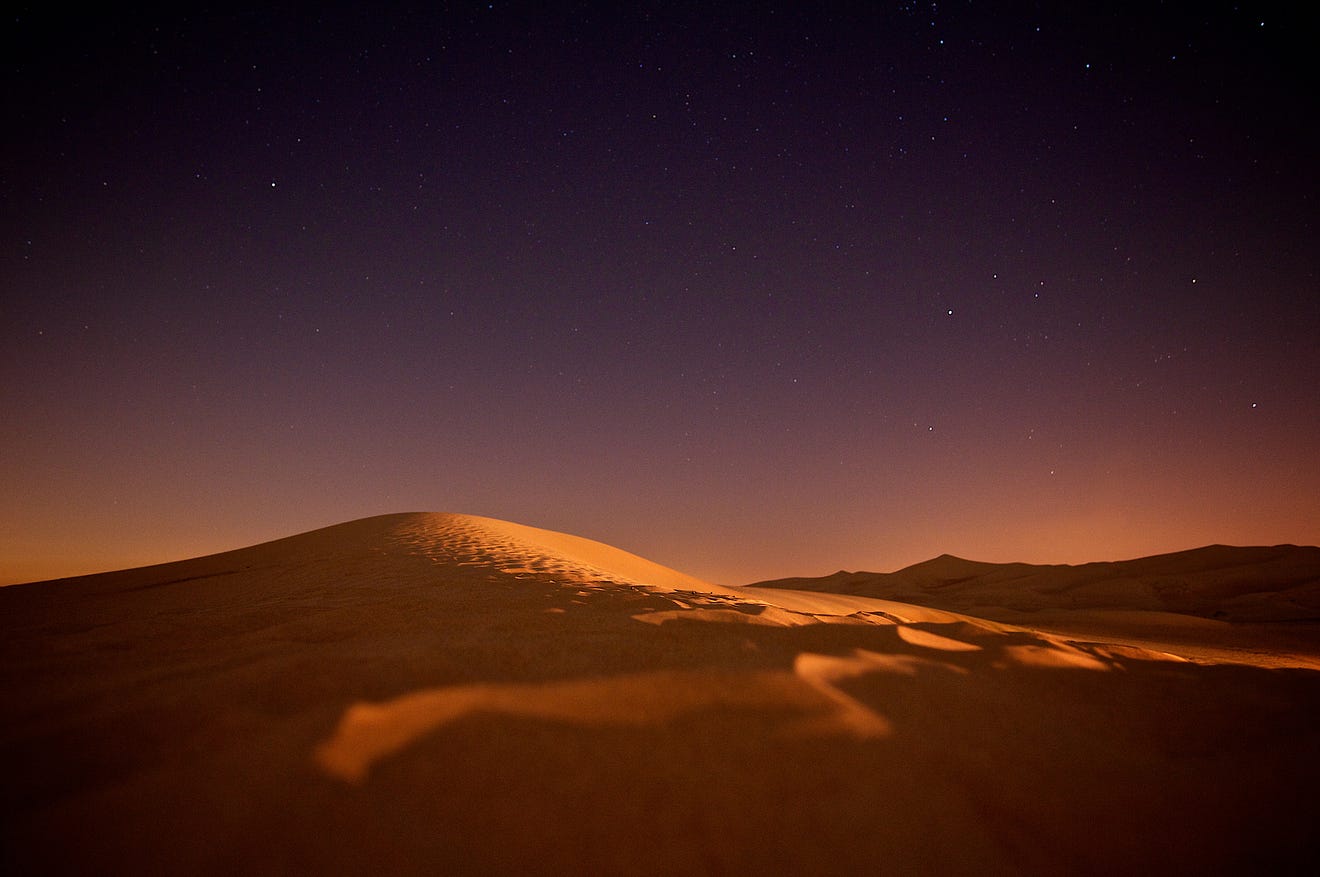
The Atacama Desert of Chile is considered one of the world’s most remote and inhospitable environments. Despite its remote location, the Atacama Desert is considered one of the world’s most important research sites, providing valuable information about the Earth’s climate and its past. The Atacama Desert is home to a number of unique species, including cacti and other desert plants, that have unique adaptations that allow them to survive in the harsh and extreme conditions of the region.
One of the most interesting aspects of the Atacama Desert is its role as a test bed for the development of new technologies. The harsh and extreme conditions of the Atacama Desert make it an ideal location for the development of new technologies that are designed to operate in harsh and extreme environments, such as Mars rovers and other planetary exploration vehicles. The Atacama Desert is also considered a key location for the study of astrobiology, the search for life beyond our planet, and the study of the formation of the solar system.
Surtsey, Iceland
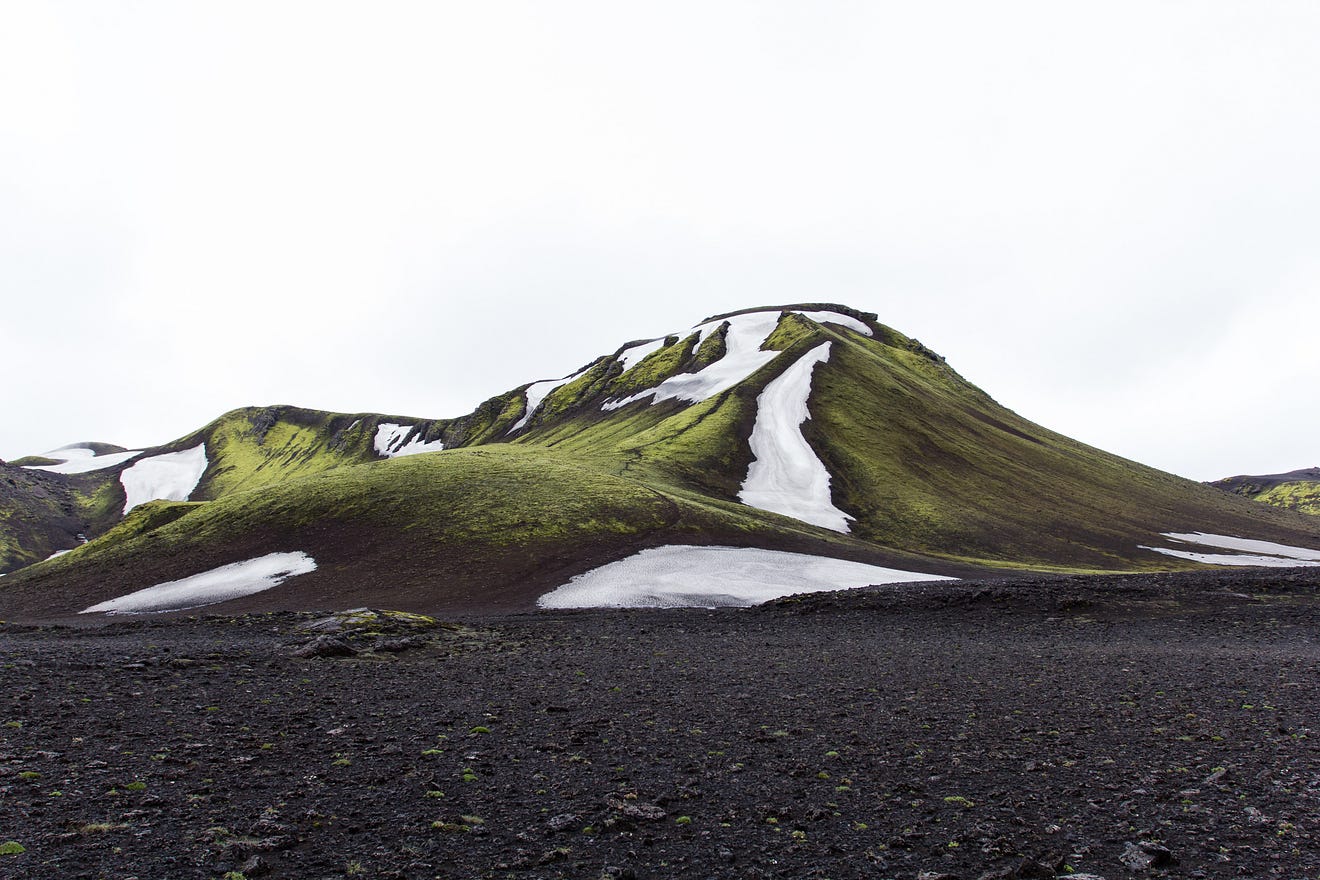
Surtsey is a volcanic island located off the coast of Iceland and is considered one of the world’s most remote and inhospitable environments. Despite its remote location , Surtsey is considered one of the world’s most important research sites, providing valuable information about the formation and evolution of volcanic islands. The island was formed in 1963 when a submarine volcanic eruption occurred, and since then, scientists have been closely studying the island and its ecosystem.
One of the most interesting aspects of Surtsey is its role as a natural laboratory for the study of island biogeography and ecology. The island provides a unique opportunity to study the process of ecological succession and the evolution of new species. The island’s isolation has also allowed for the preservation of its unique flora and fauna, making it an important site for the study of biodiversity and the importance of preserving unique ecosystems.
The Mariana Trench, Pacific Ocean
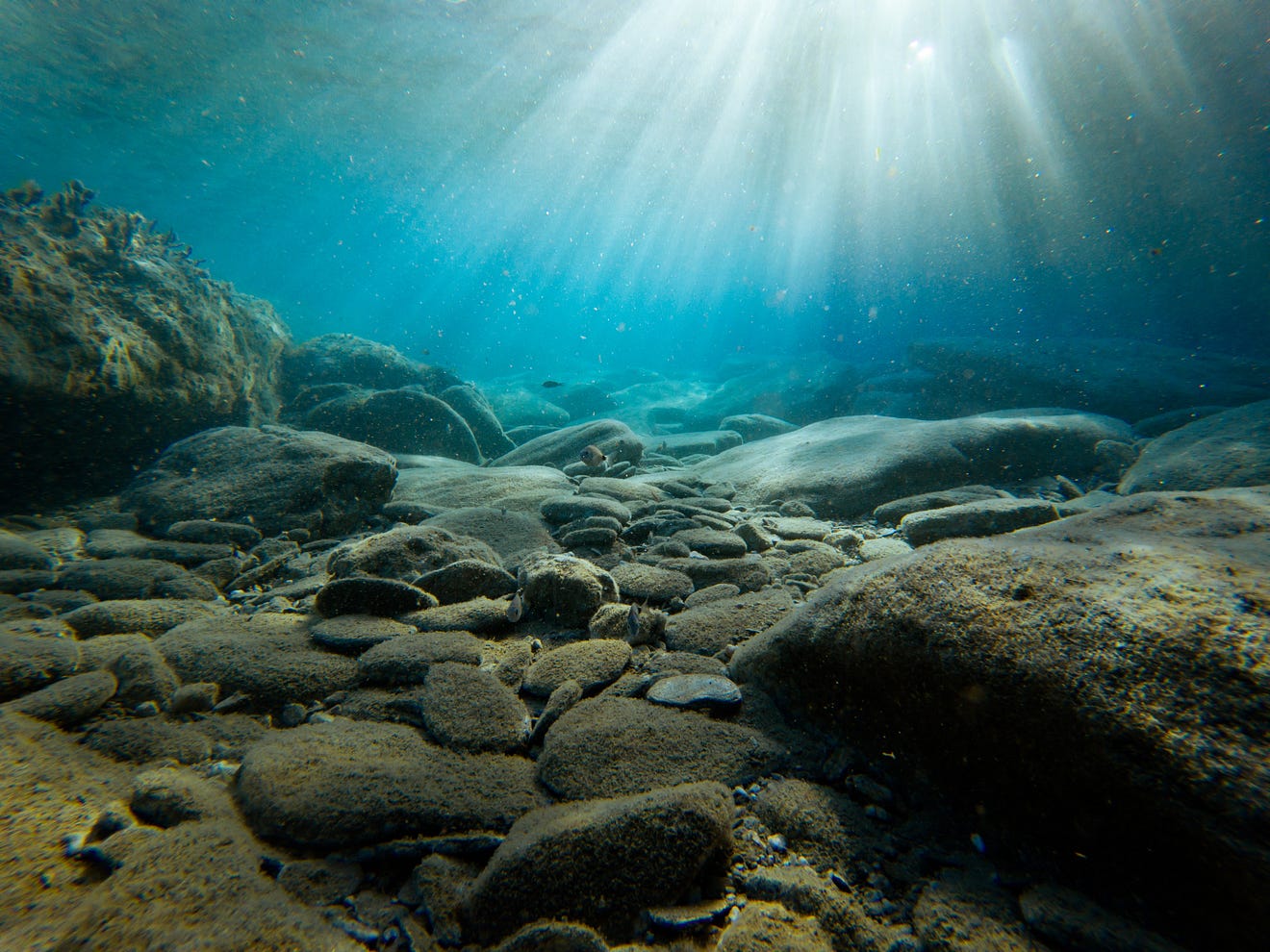
The Mariana Trench is the deepest part of the world’s oceans and is considered one of the world’s most remote and inhospitable environments. Despite its remote location, the Mariana Trench is considered one of the world’s most important research sites, providing valuable information about the Earth’s climate and its past. The trench is home to a number of unique species, including deep-sea creatures that have unique adaptations that allow them to survive in the extreme pressure and darkness of the trench.
One of the most interesting aspects of the Mariana Trench is its role as a natural laboratory for the study of deep-sea biology and the evolution of life in extreme environments. The trench’s isolation and extreme conditions have allowed for the preservation of unique and highly specialized species, making it an important site for the study of biodiversity and the evolution of life on our planet.
The Mojave Desert, California

The Mojave Desert of California is considered one of the world’s most remote and inhospitable environments. Despite its remote location, the Mojave Desert is considered one of the world’s most important research sites, providing valuable information about the Earth’s climate and its past. The desert is home to a number of unique species, including the Joshua tree and other desert plants, that have unique adaptations that allow them to survive in the harsh and extreme conditions of the region.
One of the most interesting aspects of the Mojave Desert is its role as a natural laboratory for the study of desert ecology and conservation. The Mojave Desert provides a unique opportunity to study the effects of climate change and other environmental factors on desert ecosystems and the species that inhabit them. The Mojave Desert is also considered a key location for the study of renewable energy technologies, including solar and wind power, and the potential for these technologies to provide clean and sustainable energy for our planet.
The Kerguelen Islands, Southern Indian Ocean
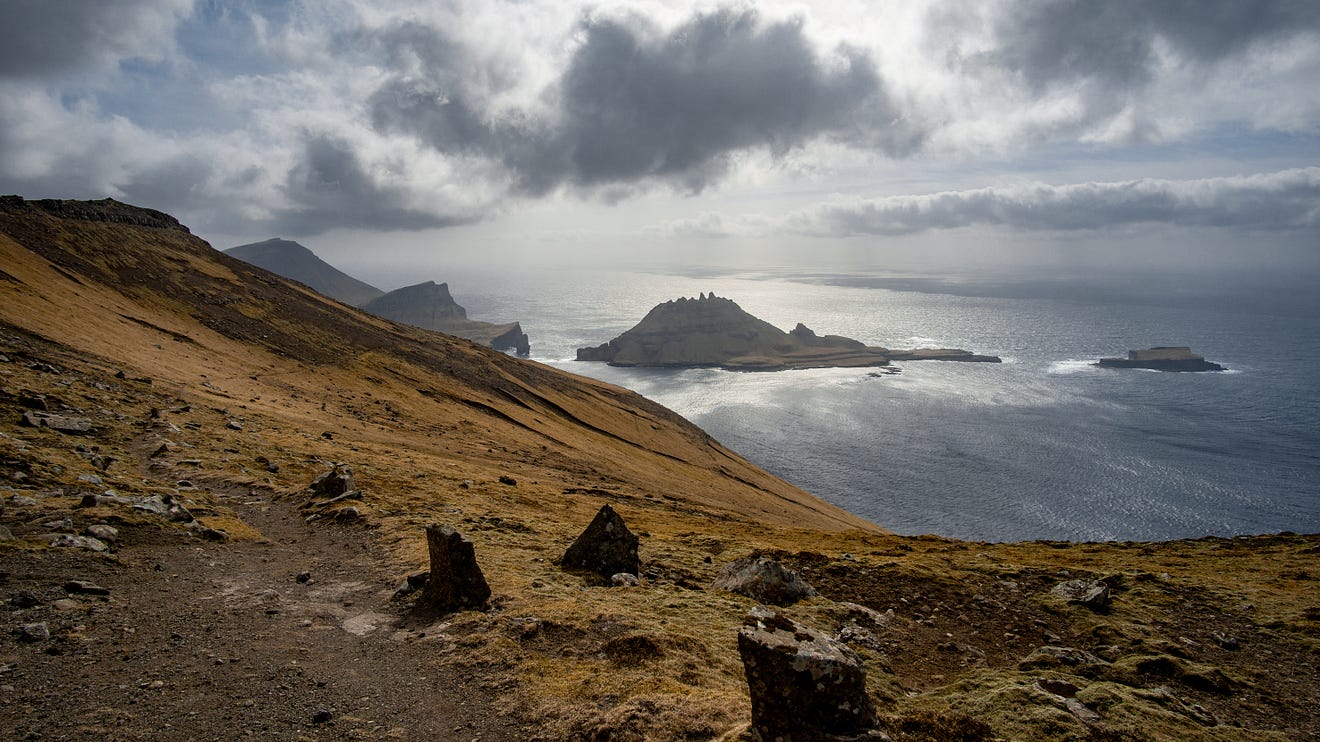
The Kerguelen Islands are a remote island group located in the Southern Indian Ocean and are considered one of the world’s most remote and inhospitable environments. Despite their remote location, the Kerguelen Islands are considered one of the world’s most important research sites, providing valuable information about the Earth’s climate and its past. The islands are home to a number of unique species, including penguins and other seabirds, that have unique adaptations that allow them to survive in the harsh and extreme conditions of the region.
One of the most interesting aspects of the Kerguelen Islands is their role as a natural laboratory for the study of ocean ecology and conservation. The islands provide a unique opportunity to study the effects of climate change and other environmental factors on ocean ecosystems and the species that inhabit them. The Kerguelen Islands are also considered a key location for the study of the ocean’s role in regulating the Earth’s climate and the potential for ocean-based technologies to provide clean and sustainable energy for our planet.
These seven remote and inhospitable environments offer a unique opportunity for scientists and researchers to study various aspects of our planet, including its climate, ecology, biodiversity, and the evolution of life. Despite the challenges posed by their remote locations and extreme conditions, these environments have proven to be invaluable sources of knowledge, providing important insights into the functioning of our planet and the ways in which we can protect and preserve it for future generations.
It is also worth mentioning that while these seven environments are some of the most remote and inhospitable on our planet, they are by no means the only ones. There are many other remote and inhospitable environments around the world that provide valuable opportunities for scientific research and exploration. The study of these remote and inhospitable environments is crucial to our understanding of the natural world and the ways in which we can work to protect and preserve it.
So the next time you’re feeling down about the mundanity of your daily life, just remember that there are scientists out there braving the elements and exploring some of the most remote and inhospitable environments on our planet, all in the name of science and knowledge. It’s a pretty cool thing to think about, if you ask me.
Thanks For Reading, Check out more at WhatWhyHow.net
Brandon Cobb, Aka. Darksun22


Leave a Reply