
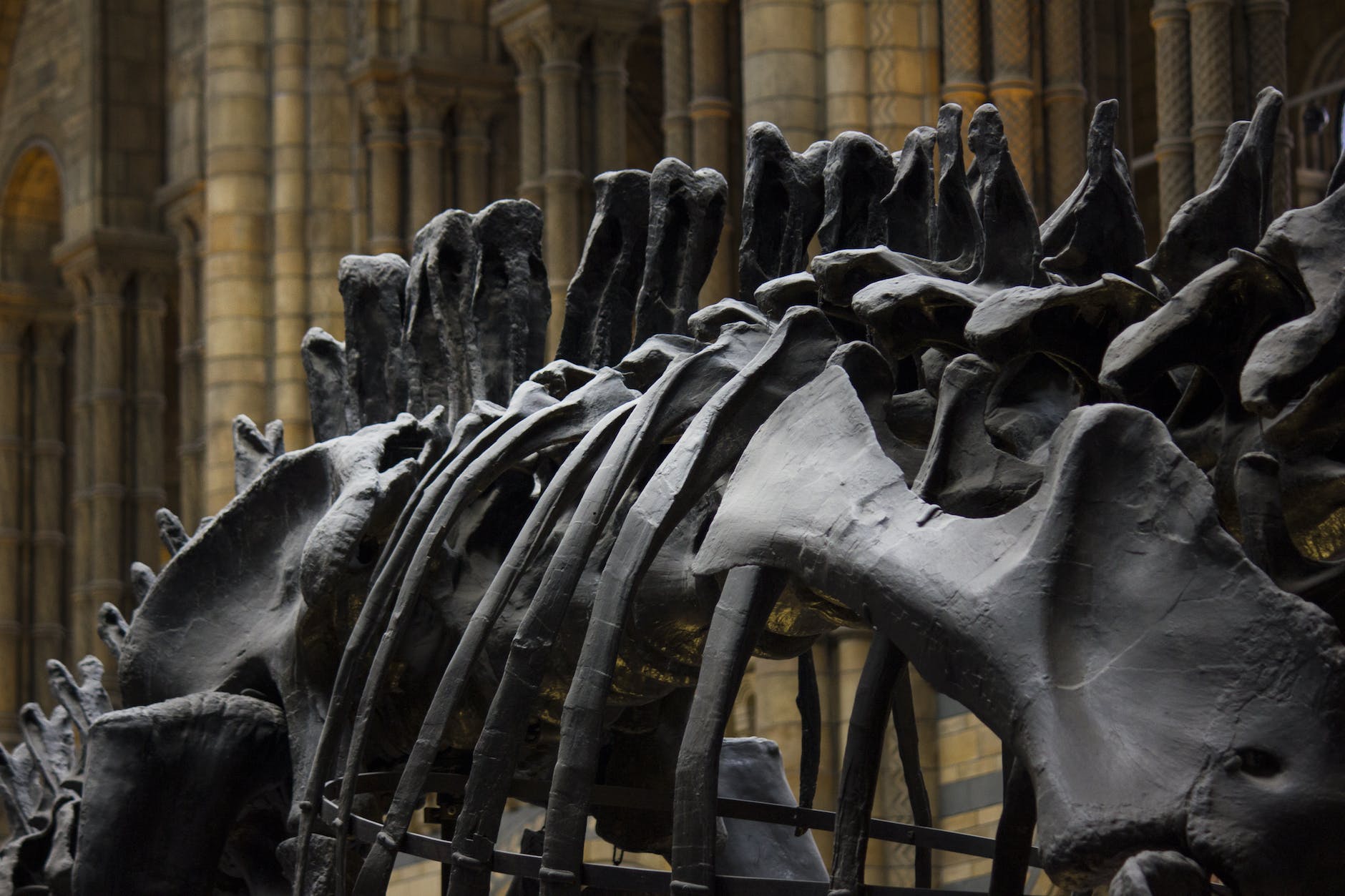
De-extinction, or the idea of bringing back extinct animals, has been a hot topic in the scientific and conservation communities for several years now. On one hand, the thought of restoring lost biodiversity and repairing the damage caused by human activities, such as habitat destruction and over-hunting, is an exciting prospect. But on the other hand, there are concerns about the ethical, scientific, and practical implications of de-extinction efforts, as well as the best use of resources in conservation.
Let’s start with the positives. According to a recent study by the University of California, Santa Cruz, the extinction of large herbivores, such as elephants and rhinos, has led to a decline in the diversity of plant species in many areas. Imagine the impact that bringing back these species could have on the restoration of ecosystems! It’s like having a superhero come to save the day, only this time, it’s a herd of elephants.
However, not everyone is on board with the de-extinction movement. For example, Dr. Jane Goodall, a renowned primatologist and conservationist, has argued that it is not ethical to bring back species that have already gone extinct, and that instead, we should focus on preserving those that are still here. And she has a point. With the current rate of extinction, why bring back species that are no longer with us when we could be putting resources into saving those that are still here and struggling to survive?
The feasibility of recreating the conditions that once allowed extinct species to thrive is another concern. Let’s take the Passenger Pigeon as an example. This species went extinct in the early 20th century and a team of scientists announced in 2013 that they had successfully extracted DNA and were working to sequence its genome. However, it’s one thing to sequence a genome and another to recreate the habitat and ecological conditions that allowed the species to thrive. And even if we could, what happens if the reintroduced species struggles to adapt to new conditions? It’s a bit like sending your child to college without preparing them for the real world.
It’s important to note that any effort to bring back extinct species will require significant investment and collaboration between scientists, conservationists, policymakers, and other stakeholders. But is it worth it? That’s the million dollar question (or maybe a billion dollar question, given the resources required). It ultimately comes down to one’s values and priorities.
So, what’s the verdict on de-extinction? Is it the answer to restoring lost biodiversity and addressing the harm caused by human activities? Or is it a pipe dream that diverts resources and energy away from conservation efforts? The answer is not clear cut and it will take careful consideration and debate to determine the best course of action.
In the meantime, let’s enjoy the possibility of having herds of elephants roam the earth once again, and the thought that we could potentially bring back the awe-inspiring woolly mammoth. Who knows, maybe we’ll even have Jurassic Park-style theme parks with real-life dinosaurs. The future is wild! (Note the sarcasm, folks).


Leave a Reply