
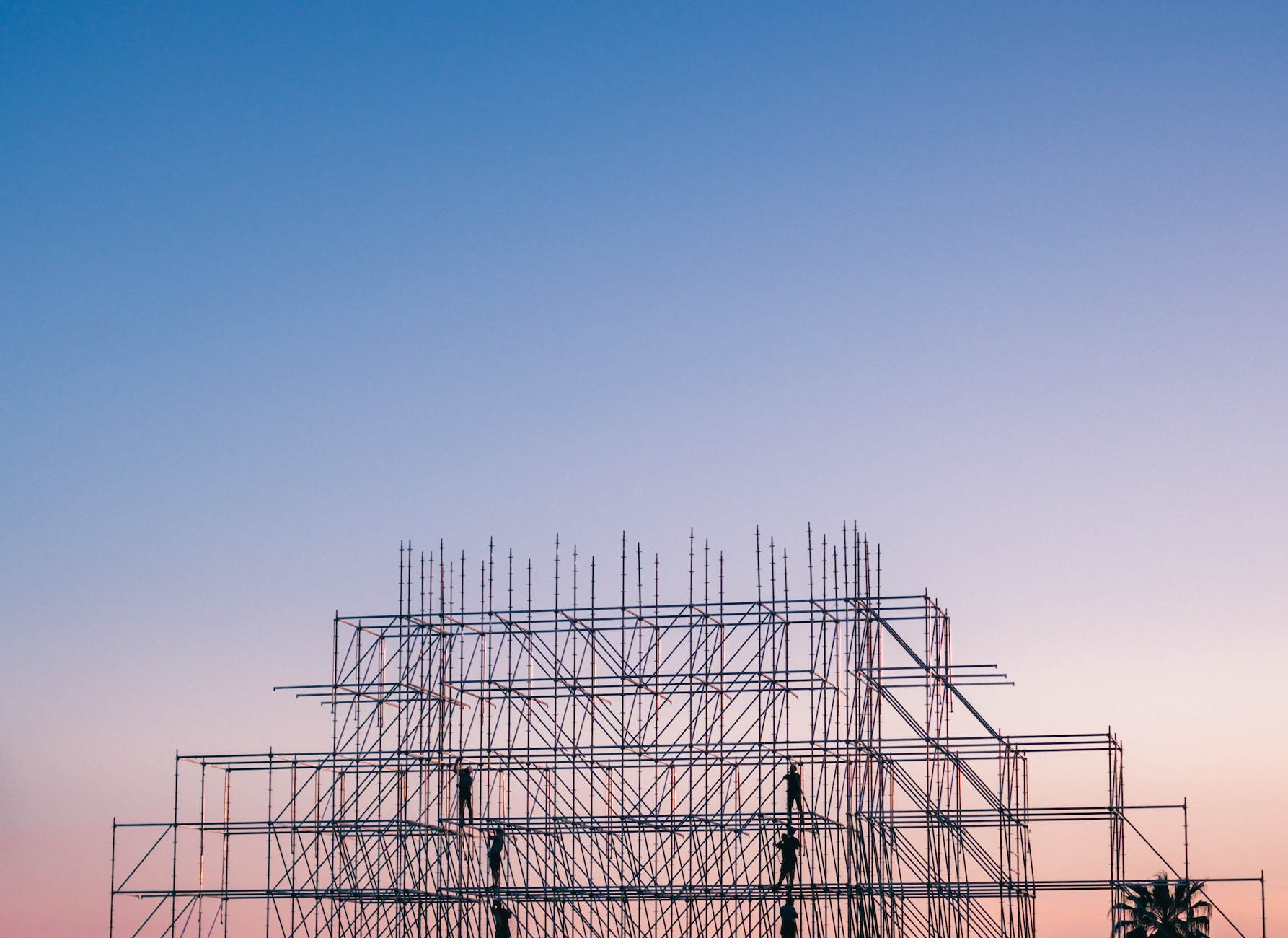
Artificial Intelligence (AI) is rapidly transforming the construction industry, revolutionizing the way projects are managed and executed. The construction industry has been slow to adopt new technologies, but AI is changing that. From construction planning and design to safety and quality control, AI is delivering significant benefits and improving the efficiency, productivity, and sustainability of construction projects.
Benefits of AI in the Construction Industry
Productivity: One of the primary benefits of AI in construction is improved productivity. AI algorithms can be used to analyze construction schedules and allocate resources, providing construction managers with real-time data and insights to help them make informed decisions and avoid delays. Additionally, AI can automate tasks such as data entry, freeing up skilled workers to focus on higher-level tasks, and AI-powered machines and equipment can help reduce the physical demands of construction work.
Safety: Another key benefit of AI in construction is improved safety. AI-powered cameras can be used to monitor construction sites in real-time, detecting potential hazards and alerting workers to improve safety. Additionally, AI can assist with training and development, providing workers with access to up-to-date information and knowledge, and helping to bridge the skills gap.
Efficiency: AI can also help to improve the efficiency of construction projects. For example, BIM (Building Information Modelling) software like Autodesk Revit can use AI to identify potential conflicts between building components, such as ductwork and electrical systems, reducing the risk of errors and rework. AI algorithms can also be used to analyze construction schedules to identify the most efficient use of resources, such as labor, materials, and equipment, helping to minimize waste and reduce costs.
Sustainability: AI is also playing a role in sustainability and environmental protection in the construction industry. AI algorithms can analyze building data to identify areas for improvement, such as reducing energy consumption or optimizing water usage. AI can also assist with materials management, helping to minimize waste and reduce the environmental impact of construction projects.
Specific Applications of AI in the Construction Industry
- BIM (Building Information Modelling): BIM software like Autodesk Revit can use AI to identify potential conflicts between building components, such as ductwork and electrical systems, reducing the risk of errors and rework.
- Predictive maintenance: AI algorithms can be used to monitor HVAC systems in real-time, predicting potential failures before they occur and scheduling maintenance accordingly.
- Safety and quality control: AI-powered cameras can be used to monitor construction sites in real-time, detecting potential hazards and alerting workers to improve safety. AI can also be used for quality control, identifying deviations from building plans and ensuring that all aspects of the construction process meet standards.
- Resource optimization: AI algorithms can be used to analyze construction schedules to identify the most efficient use of resources, such as labor, materials, and equipment, helping to minimize waste and reduce costs.
- Project management: AI algorithms can be used to schedule construction tasks and allocate resources, providing construction managers with real-time data and insights to help them make informed decisions and avoid delays.
- Augmented Reality/Virtual Reality: AR/VR technology can be used to visualize construction projects, allowing stakeholders to experience the building before it is built, and providing valuable insights into potential issues. Additionally, AR/VR can be used to provide training and simulation, improving the safety and efficiency of construction work.
- Drone-based surveying and inspection: AI-powered drones can be used to survey construction sites, providing detailed images and data for analysis. Drones can also be used for building inspections, reducing the need for workers to access hazardous or hard-to-reach areas.
- Waste reduction: AI algorithms can be used to analyze waste management processes, identifying areas for improvement and reducing the amount of waste generated by construction projects.
- Energy optimization: AI algorithms can be used to analyze building data to identify areas for improvement, such as reducing energy consumption or optimizing water usage.
- Predictive modeling: AI algorithms can be used to create predictive models that estimate the time and cost of construction projects, allowing construction managers to make informed decisions and allocate resources more efficiently.
The construction industry is undergoing a major transformation thanks to the introduction of AI technologies. From construction planning and design to safety and quality control, AI is delivering significant benefits and improving the efficiency, productivity, and sustainability of construction projects. With the continued development of AI technologies, the construction industry is poised for even greater advancements in the years to come. As the construction industry continues to embrace AI, we can expect to see even more innovative applications and solutions that improve the way we build and maintain our built environment.
Thanks For Reading, Check out more at WhatWhyHow.net
Brandon Cobb, Aka. Darksun22


Leave a Reply