
If you’re looking for a fascinating mystery that has been shrouded in speculation and conjecture for centuries, look no further than Pumapunku, an ancient temple complex located in Tiwanaku, Bolivia. This architectural marvel, which dates back to approximately 600 AD, is considered one of the most remarkable feats of ancient engineering and design, and continues to captivate the imagination of people around the world. So, buckle up and get ready to dive into the history, speculation, and futurism surrounding Pumapunku, the ancient temple complex that just won’t give up its secrets.
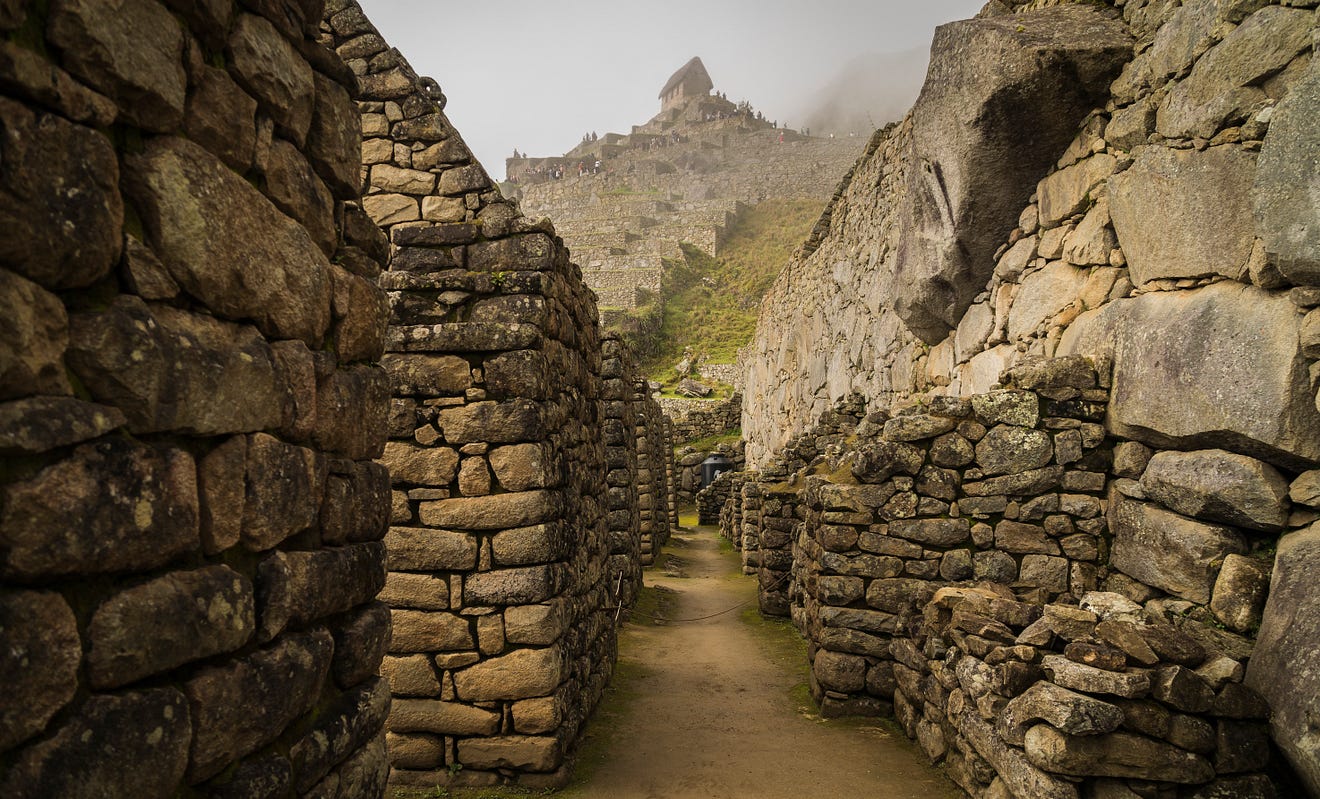
First, let’s start with the facts. Pumapunku, which means “The Door of the Puma” in the local indigenous language, is a large, rectangular platform that was once part of a larger religious and political complex in Tiwanaku. The temple consists of a series of massive stone blocks that were cut with near-perfect precision and fitted together without mortar. The blocks are so precisely cut that not even a knife blade can fit between them, which has led many to question how such intricate work could have been achieved with the limited technology available to the ancient peoples of South America.
Now, let’s dive into the speculation. Some theories suggest that the ancient peoples of Tiwanaku used sophisticated tools and techniques, such as laser-like cutting devices, to create the intricate stonework at Pumapunku. While this may sound like something straight out of a science fiction novel, it’s important to remember that the ancient peoples of South America were known for their advanced mathematical and astronomical knowledge, and many of their structures, such as the Kalasasaya Temple, are aligned with celestial bodies. So, is it really so far-fetched to believe that they may have also possessed advanced technology capable of cutting stone with pinpoint precision?
On the other hand, skeptics argue that such advanced technology would have left behind more concrete evidence of its existence, such as written records or technological artifacts. But, as any good conspiracy theorist knows, all evidence can be lost or destroyed over time, especially when you’re talking about civilizations that are thousands of years old. Natural disasters, such as earthquakes or volcanic eruptions, can wreak havoc on ancient structures and their associated artifacts, and written records can be lost or destroyed in wars or other catastrophic events.
So, where does this leave us? With more questions than answers, of course! But, that’s what makes Pumapunku so fascinating, isn’t it? The temple remains a testament to the ingenuity and skill of the ancient peoples of South America, and continues to inspire future generations to explore the mysteries of the past. And, who knows, maybe someday we’ll finally unlock the secrets of Pumapunku and the possibility of ancient civilizations with advanced technology.
But, let’s not get ahead of ourselves. For now, we can only speculate and marvel at the intricate stonework and architectural style of Pumapunku, and ponder the possibilities of what might have been. So, the next time you’re feeling jaded by the modern world and its technological wonders, just remember that there are ancient civilizations out there that were doing things we can only dream of thousands of years ago.

Pumapunku is a fascinating enigma that continues to captivate the imagination of people around the world. The temple’s intricate stonework, astronomical alignments, and mysterious origins have inspired countless theories and speculations, making it a true wonder of the ancient world. Whether the ancient peoples of Tiwanaku used advanced technology to create Pumapunku, or if they relied solely on their incredible skills and knowledge, remains unknown. But one thing is for sure: the temple will continue to inspire and mystify for generations to come.
So, if you’re ever in Bolivia, be sure to make a stop at Pumapunku and experience the wonder for yourself. And, who knows, maybe you’ll be the one to finally unlock the secrets of this ancient temple complex. Until then, we can only speculate, ponder, and enjoy the mystery that is Pumapunku.
Thanks For Reading, Check out more at WhatWhyHow.net
Brandon Cobb, Aka. Darksun22


Leave a Reply