
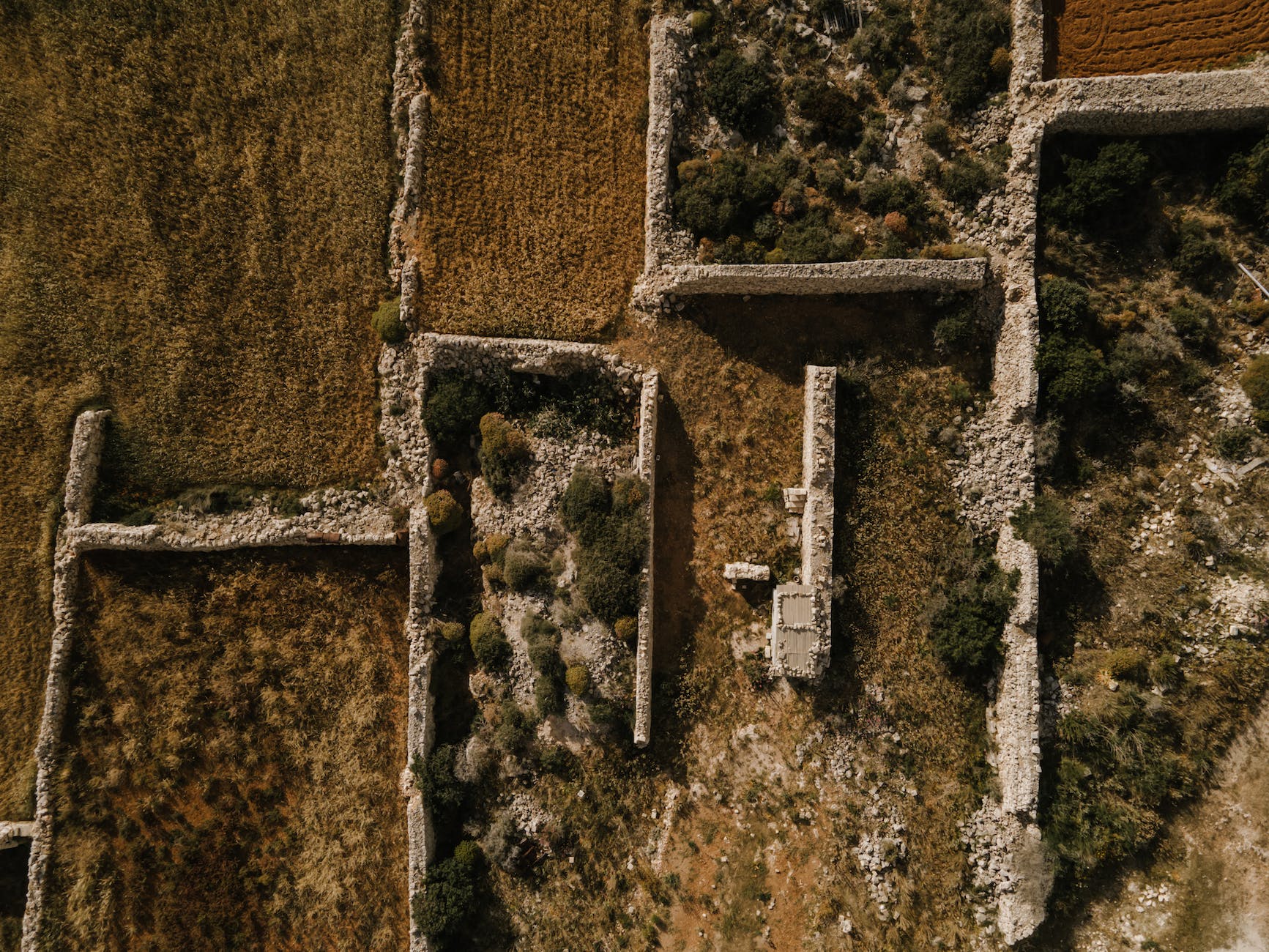
Göbekli Tepe is a mysterious and captivating ancient site located in southeast Turkey that has piqued the interest of people all over the world. With structures dating back to around 11,000 BCE, it is considered by mainstream archeologists to be the world’s oldest temple and a site of great religious and cultural significance. However, this interpretation is not without its critics, and there are those who believe that Göbekli Tepe may hold secrets that have yet to be uncovered.
At first glance, Göbekli Tepe appears to be a simple collection of stone pillars arranged in circular formations. However, upon closer inspection, the site reveals a wealth of intricate carvings and artifacts, leading some to believe that it was much more than just a simple temple. In fact, some researchers have suggested that the site could have served as an astronomical observatory, or even as a city, rather than a place of worship.

One of the key arguments against the idea of Göbekli Tepe as a temple is the lack of evidence for religious or cultural practices at the site. According to Dr. Martin Sweatman, a researcher at the University of Edinburgh, the circular arrangement of the stone pillars at Göbekli Tepe could be more easily explained as astronomical observatories. He argues that the alignment of the pillars with the sunrise and sunset during key astronomical events, such as the solstices, would have provided early humans with important information about the movement of the sun and other celestial bodies.
Another point of contention among critics of mainstream archeology is the reliability of the dating methods used to determine the age of Göbekli Tepe. Some have cast doubt on the accuracy of carbon dating, citing the possibility of contamination of the samples used, as well as the influence of several factors, such as the presence of carbon-14 in the soil and the condition of the samples, on the accuracy of the results.
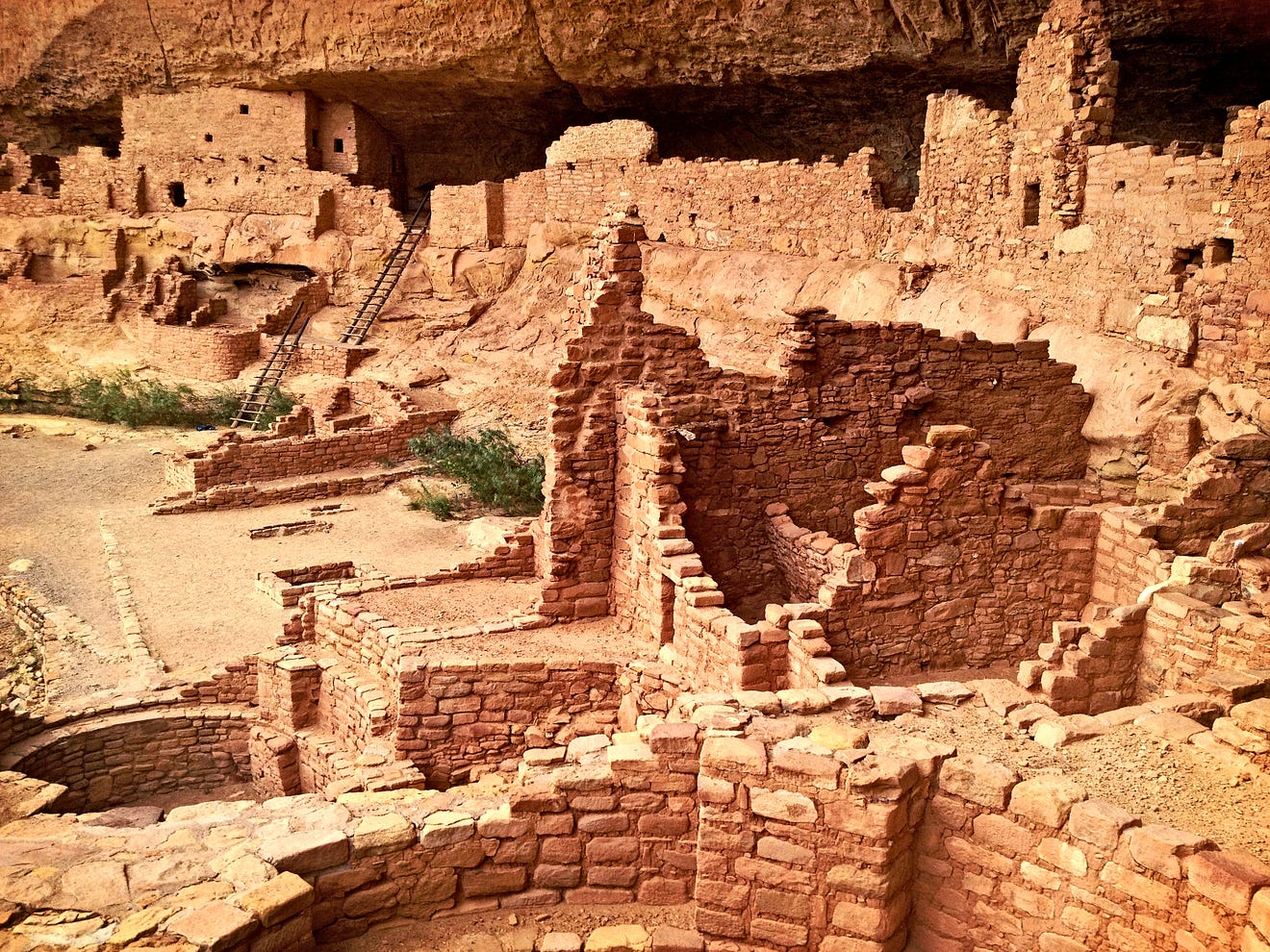
In addition to these criticisms, there are those who believe that Göbekli Tepe was not built by the early human societies that lived in the region, but rather by an unknown and highly advanced civilization. This theory suggests that the structures at Göbekli Tepe were built using technology and engineering knowledge far beyond what was possible for early humans. One of the proponents of this theory is researcher and author, Graham Hancock, who has written several books on the subject.
Despite these differing opinions, Göbekli Tepe remains an important site for archeologists, who continue to uncover new structures and artifacts with each excavation. In 2020, a team of archeologists led by Dr. Klaus Schmidt discovered a new building at the site, known as Building D, which contained numerous stone pillars and stone carvings of animals and other figures. These new discoveries have provided a wealth of information about the people who built and used Göbekli Tepe, and have reignited the debate about the true purpose and significance of the site.
So what can we expect from Göbekli Tepe in the future? Will we finally uncover its secrets and unravel the mystery of this ancient site? It’s impossible to say for certain, but one thing is for sure — Göbekli Tepe will continue to captivate and intrigue us for many years to come.
Thanks For Reading, Check out more at WhatWhyHow.net
Brandon Cobb, Aka. Darksun22


Leave a Reply