

Drones have been a game-changer in the field of warfare, revolutionizing the way wars are fought and won. With the rapid advancement of technology and the increasing affordability of unmanned aerial vehicles (UAVs), drones have become an indispensable tool for military operations, intelligence gathering, and reconnaissance. But while drones offer many benefits, they also raise complex and challenging ethical, legal, and strategic questions. In this article, we will delve into the fascinating world of drone warfare and explore the impact of drones on modern warfare.
To begin with, let’s consider the advantages of drone warfare. Drones are relatively cheap, versatile, and easy to operate, making them an attractive option for military leaders and governments. They can be used for a wide range of tasks, from reconnaissance and surveillance, to targeted killings and airstrikes. Furthermore, drones can fly for long periods of time, cover large distances, and carry out missions in remote or hostile environments, making them ideal for operations in areas that are difficult to access. For example, drones were critical in the United States’ campaign against Al Qaeda and the Taliban in Afghanistan and Pakistan, where they provided crucial intelligence and targeted high-value targets with precision.

But while drones offer many advantages, they also raise serious ethical and legal concerns. The use of drones in warfare raises questions about the rules of engagement, the accountability of military leaders and governments, and the protection of civilian populations. For example, drones have been criticized for causing collateral damage and civilian casualties, and for violating the sovereignty of other countries. Moreover, there is a growing concern that the use of drones may fuel anti-American sentiment and contribute to the radicalization of local populations.
Despite these concerns, the use of drones in warfare is only set to increase in the coming years. Advances in artificial intelligence, machine learning, and computer vision are likely to make drones even more effective and versatile, allowing them to perform an even wider range of tasks with greater autonomy. As drones become more sophisticated, they may become capable of making their own decisions and carrying out missions without human intervention. This raises a host of new ethical and legal questions about the accountability of drones and the role of human decision-makers in the field of warfare.
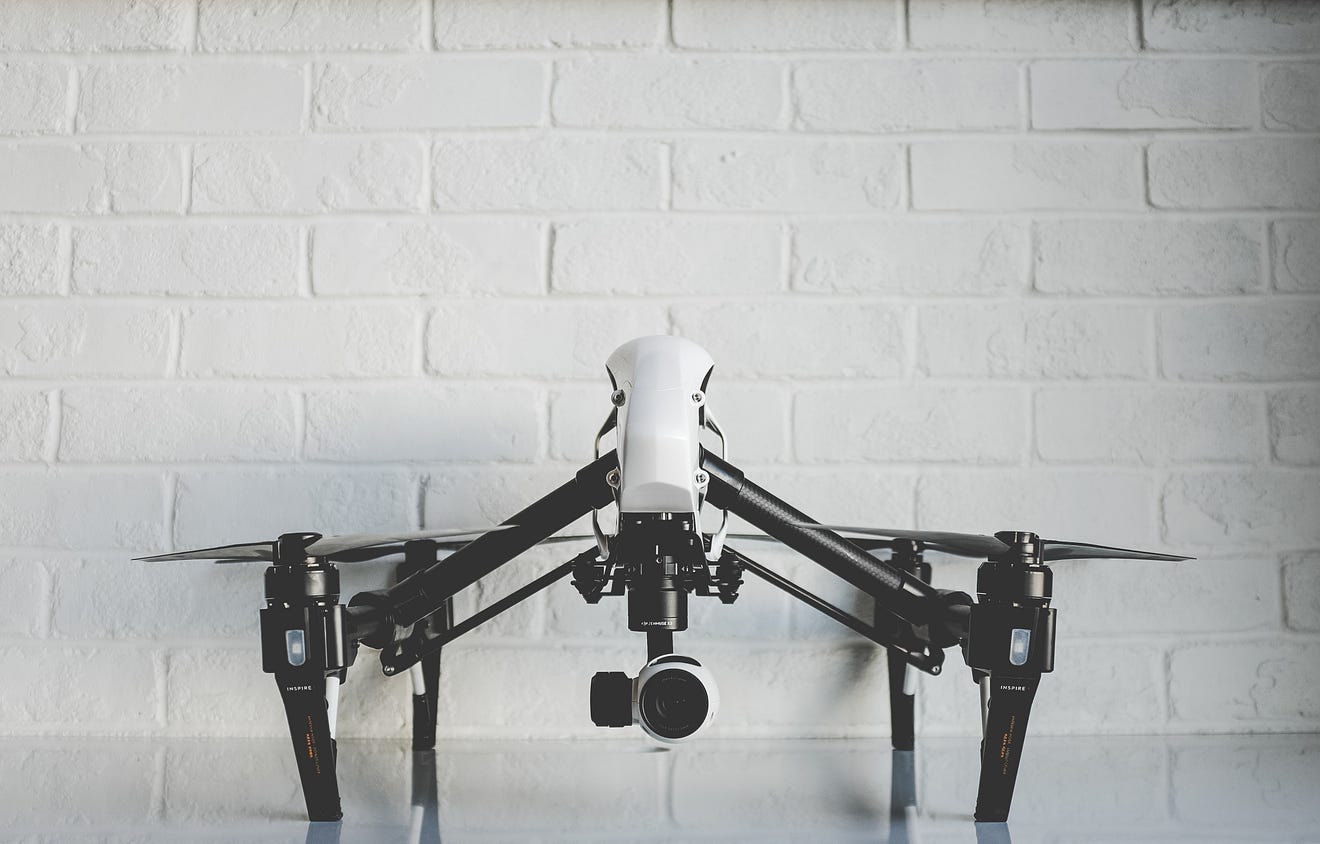
In light of these developments, it is essential that we engage in a comprehensive and informed debate about the role of drones in warfare and the implications for international peace and security. Governments, military leaders, and experts in the field must work together to ensure that the use of drones is guided by clear and transparent legal frameworks and ethical principles. This must include a careful consideration of the ethical and legal implications of drone warfare, as well as the impact on civilian populations and the risk of blowback and radicalization.
Moreover, it is crucial to ensure that the use of drones is subject to rigorous oversight and accountability mechanisms, including parliamentary oversight, independent investigations, and public reporting. This will help to ensure that drones are used in a responsible and effective manner and to promote transparency, accountability, and the rule of law in the field of warfare.
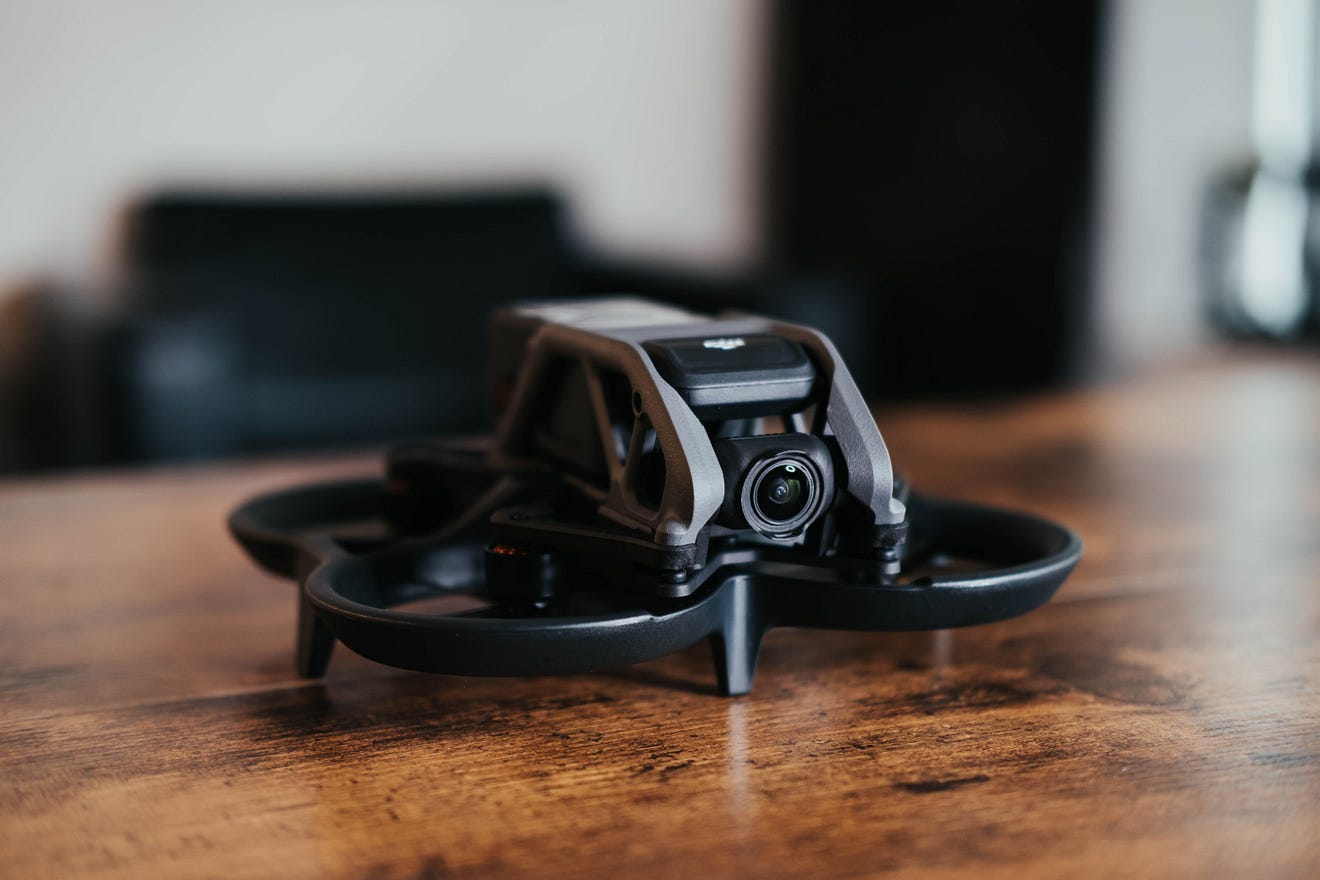
Looking to the future, it is clear that drones will play an increasingly important role in warfare. Some experts even predict that drones will become the dominant military technology of the 21st century, replacing traditional manned aircraft and revolutionizing the way wars are fought and won. But while the potential benefits of drone warfare are substantial, the ethical, legal, and strategic questions that it raises are equally important.
Thanks For Reading, Check out more at WhatWhyHow.net
Brandon Cobb, Aka. Darksun22


Leave a Reply