
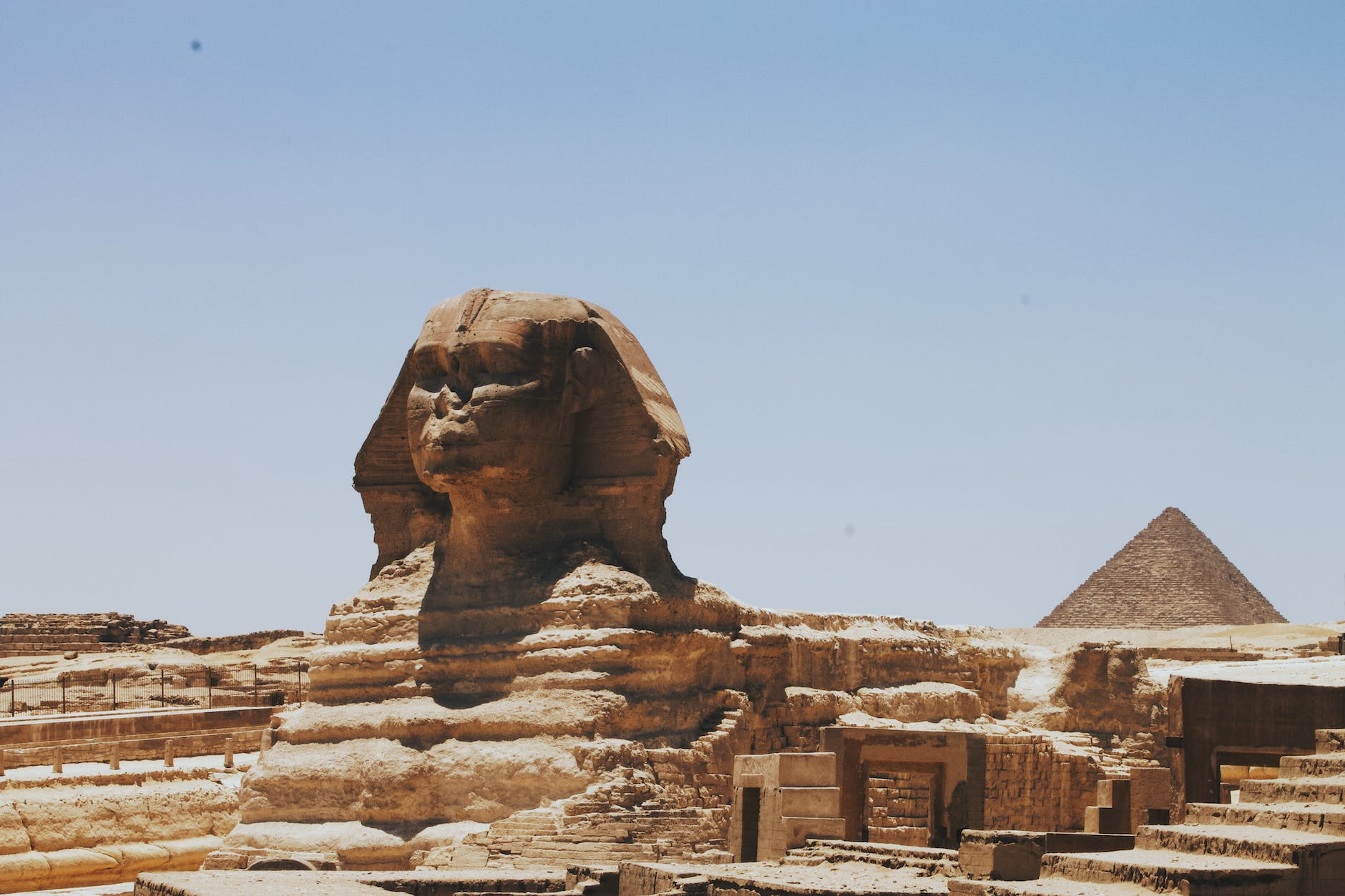
The idea that extraterrestrial beings visited Earth in the distant past and played a role in the development of human civilization is known as the “ancient alien” theory. Proponents of this theory argue that there is evidence of advanced technological knowledge in ancient cultures that cannot be explained by the primitive technology available at the time. They point to artifacts and legends from various cultures, such as the pyramids of Egypt, the Nazca lines in Peru, and the mysterious flying machines described in ancient Hindu texts, as evidence of extraterrestrial visitations.
The “ancient alien” theory is a controversial interpretation of history that has been the subject of much debate and discussion. Critics argue that there is no solid scientific evidence to support the theory and that many of the artifacts and legends cited by proponents can be explained by other means. For example, the pyramids of Egypt can be explained by a combination of human ingenuity, advanced engineering techniques, and slave labor. The Nazca lines, which some believe to have been created for extraterrestrial visitors to land, can be explained as religious or astronomical symbols.
Some skeptics have also pointed out that many of the claims made by proponents of the theory are not supported by mainstream archaeology and that some are outright false. For example, some proponents have claimed that ancient texts and artifacts provide evidence of advanced technological knowledge, such as powered flight, that was not rediscovered until the modern era. However, mainstream archaeology and history reject these claims as unsupported by evidence and based on misinterpretation of the artifacts and texts in question.
Despite this, the “ancient alien” theory continues to be popular among some people. A recent survey conducted in the United States found that about 20% of the population believes in the existence of ancient aliens. This belief is higher among younger people, with about 25% of people aged 18–29 expressing belief in ancient aliens compared to only 15% of people aged 65 and older.
However, belief in ancient aliens is not widely accepted in the scientific community. According to a survey of scientists conducted by the Pew Research Center, only 4% of scientists believe that aliens visited Earth in the distant past and played a role in the development of human civilization. This is compared to 68% of the general public who believe in the existence of extraterrestrial life.
In conclusion, the “ancient alien” theory is a controversial and often disputed interpretation of history that continues to be popular among some people. While proponents of the theory argue that there is evidence of extraterrestrial visitations in the distant past, the vast majority of scientific experts and institutions reject the idea of ancient aliens. It is important to approach this theory with critical thinking and to consider the arguments and evidence presented by both proponents and critics. By examining the evidence and arguments on both sides, we can gain a better understanding of history and human civilization, and hopefully arrive at a more accurate and complete picture of the past.
Thanks For Reading, Check out more at WhatWhyHow.net
Brandon Cobb, Aka. Darksun22


Leave a Reply