
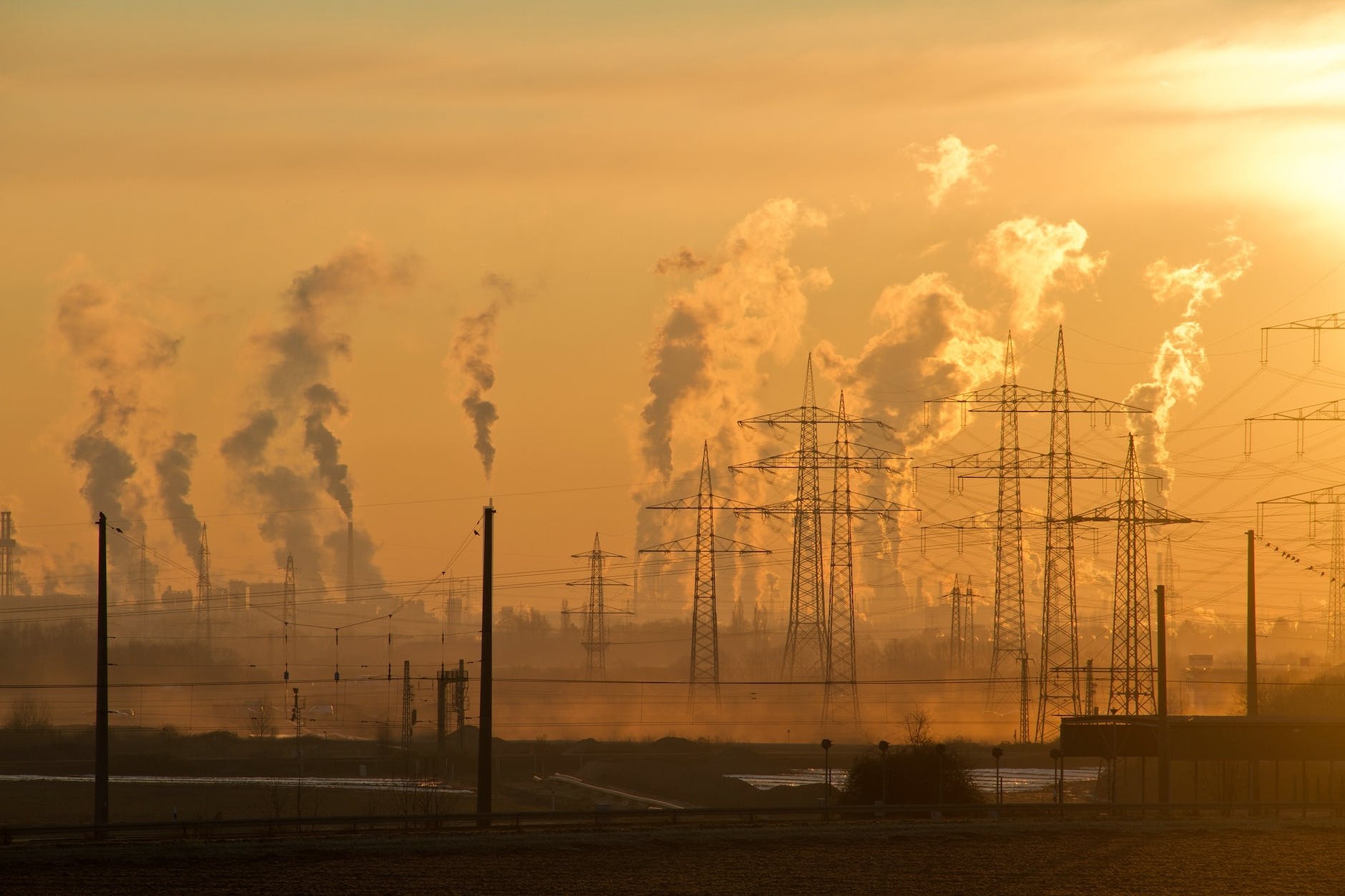
Climate change is one of the biggest challenges facing humanity today, with rising global temperatures, melting ice caps, and severe weather patterns causing widespread concern. In order to address this challenge, many scientists and policymakers are turning to carbon capture technology as a way to reduce greenhouse gas emissions and slow the pace of global warming.
What is Carbon Capture Technology?
Carbon capture technology, also known as carbon capture and storage (CCS), is a process that captures carbon dioxide (CO2) emissions from industrial processes and power plants before they are released into the atmosphere. The CO2 is then stored underground or used for enhanced oil recovery, effectively reducing the amount of CO2 released into the atmosphere.
Current Use of Carbon Capture Technology
Currently, carbon capture technology is being used in a limited number of industrial applications and pilot projects around the world. For example, the Boundary Dam Power Station in Canada is the first commercial-scale CCS project, capturing and storing over one million tons of CO2 annually. In addition, several industrial facilities, such as cement and fertilizer plants, are using carbon capture technology to reduce their CO2 emissions.
However, despite its potential to reduce greenhouse gas emissions, the widespread deployment of carbon capture technology has been slow, due in large part to the high cost of implementation and the lack of regulatory and financial incentives.
Potential for the Future
Despite these challenges, the future of carbon capture technology is bright. According to the Intergovernmental Panel on Climate Change (IPCC), CCS could provide up to 20% of the emissions reductions needed to limit global warming to 2 degrees Celsius by 2100. This is a significant contribution, considering the urgent need to reduce global greenhouse gas emissions and slow the pace of global warming.
One key area of future development for carbon capture technology is in the field of advanced materials and solvents. The U.S. Department of Energy’s National Energy Technology Laboratory is funding research into new carbon capture technologies, including next-generation solvents, advanced materials, and process intensification. This research has the potential to make carbon capture more effective, efficient, and cost-competitive in the future.
The Future of Carbon Capture and Climate Change
The future of carbon capture technology and its impact on climate change is the subject of much speculation and futurism. According to Professor Klaus Lackner, the director of the Center for Negative Carbon Emissions at Arizona State University, carbon capture technology could play a key role in reducing emissions if it is integrated into existing energy systems and industrial processes. “Carbon capture has the potential to mitigate the impacts of human activities on the climate, but it will require significant investment and the development of new technologies to be most effective,” says Professor Lackner.
Carbon capture technology is the hope for a sustainable future for our planet. While it faces challenges, including the high cost of implementation, continued research and development, and widespread deployment will be key to its success in the long run. If successful, carbon capture could become a vital tool in the fight against climate change and help ensure a sustainable future for our planet.

Leave a Reply