
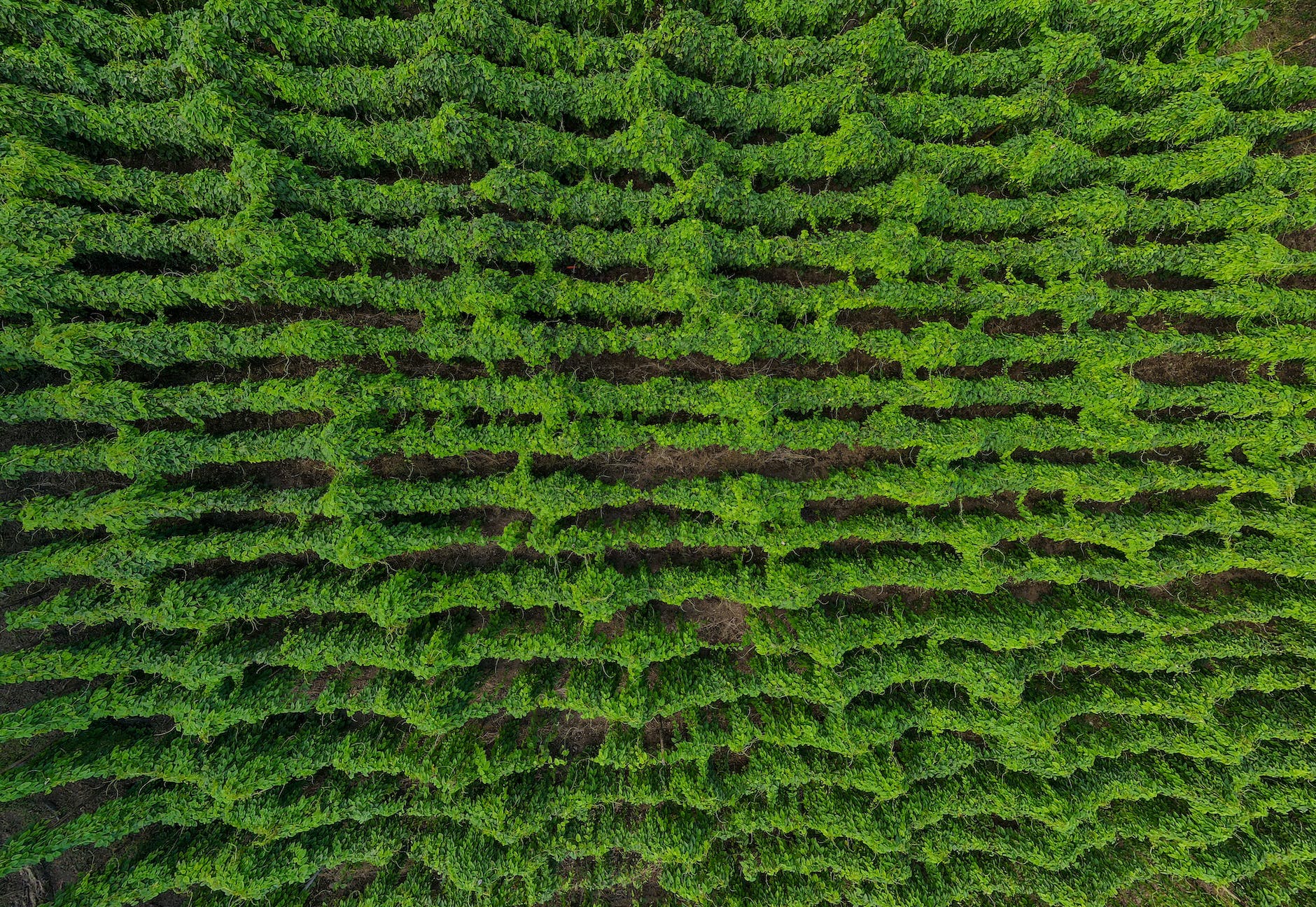
The future of food production is here, and it’s vertical. Vertical agriculture is the innovative approach to growing crops indoors in multi-tiered systems, providing numerous benefits over traditional agriculture. From increased yields to reduced water usage and the ability to grow crops year-round, it’s no wonder that vertical agriculture is quickly gaining popularity. But with any new technology comes challenges, and in the case of vertical agriculture, it’s the threat of climate change and natural disasters. But fear not, for there’s a solution – artificial intelligence.
Think about it. AI can monitor and control the micro-climate within a vertical farm with precision, ensuring that the ideal growing conditions are met for each and every crop. Want to regulate temperature to within a tenth of a degree? No problem. Want to monitor humidity levels to prevent mold and mildew? Piece of cake. With AI, you can create the perfect environment for your crops to thrive.
And don’t even get us started on pest and disease management. No more nasty chemicals needed. AI-powered cameras and sensors can detect the early signs of pests and diseases, allowing farmers to nip them in the bud before they cause widespread damage. Plus, who wouldn’t love cutting down on pesticide usage? It’s a win-win for the crops and the environment.
Water is life, and in vertical agriculture, it’s a precious resource. That’s why AI is a lifesaver when it comes to water management. By monitoring usage and optimizing irrigation schedules, farmers can conserve resources and minimize waste. And let’s be real, no one wants to waste water, especially with the increasing global water crisis.
But let’s not forget about crop selection. How do you decide what to grow in your vertical farm? With AI, it’s easy. By analyzing data on crop performance and environmental conditions, AI algorithms can determine the best crops to grow in each specific vertical farm. This ensures that crops are grown in the optimal conditions, reducing the risk of failure. And who wouldn’t want to maximize their yields and ensure success?
Finally, AI can also predict yields. That’s right, predict. By analyzing data on crop growth and environmental conditions, AI algorithms can estimate future yields, allowing farmers to adjust their plans accordingly and optimize resource usage. No more guesswork, no more wasted resources. It’s like having a crystal ball for your crops.
But what about the future? What can we expect from the marriage of vertical agriculture and AI? The sky’s the limit. It’s no secret that the world’s population is growing, and with it, the demand for food. With vertical agriculture and AI, we can increase food production, reduce waste, and ensure a stable food supply for future generations. And let’s not forget about the potential for vertical farms to be located in urban areas, reducing the carbon footprint of food transportation and providing fresh produce to local communities.
The combination of vertical agriculture and AI is a match made in heaven. With advanced monitoring and control systems, optimized crop selection, and efficient resource usage, vertical agriculture has the potential to provide a stable and reliable food supply for the future. So, what are you waiting for? Get ready for the future of food production, because it’s vertical and it’s AI-powered.

Leave a Reply